Kullu

5000+
Tour Packages
100%
Happy Customers
500+
Group Tours
1000+
Activities
10000+
Heritage Sites
50+
Cars & Drivers

Fair & Festival celebrate in Kullu

Phoolich Festival

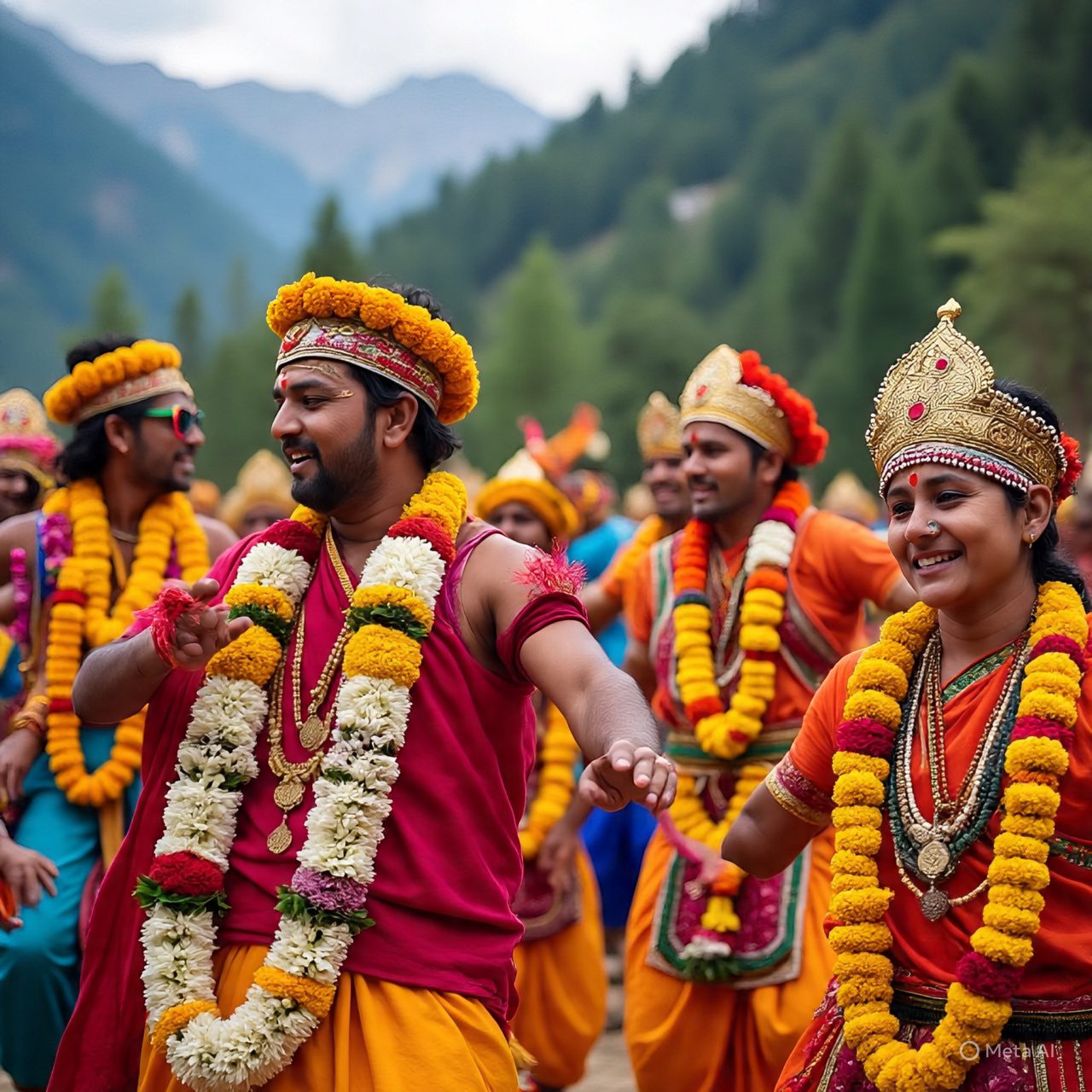
Phoolich festival is celebrated in August-September in Kullu and Lahaul-Spiti areas. It is called the “Festival of Flowers”. On this day people offer fresh wild flowers to the deities and celebrate. This festival is celebrated to express gratitude to nature and to seek blessings of the deities. Local people participate in dance, music and traditional costumes. This festival is a beautiful confluence of nature, culture and faith, which reflects the traditional identity of Kullu.
Deepavali

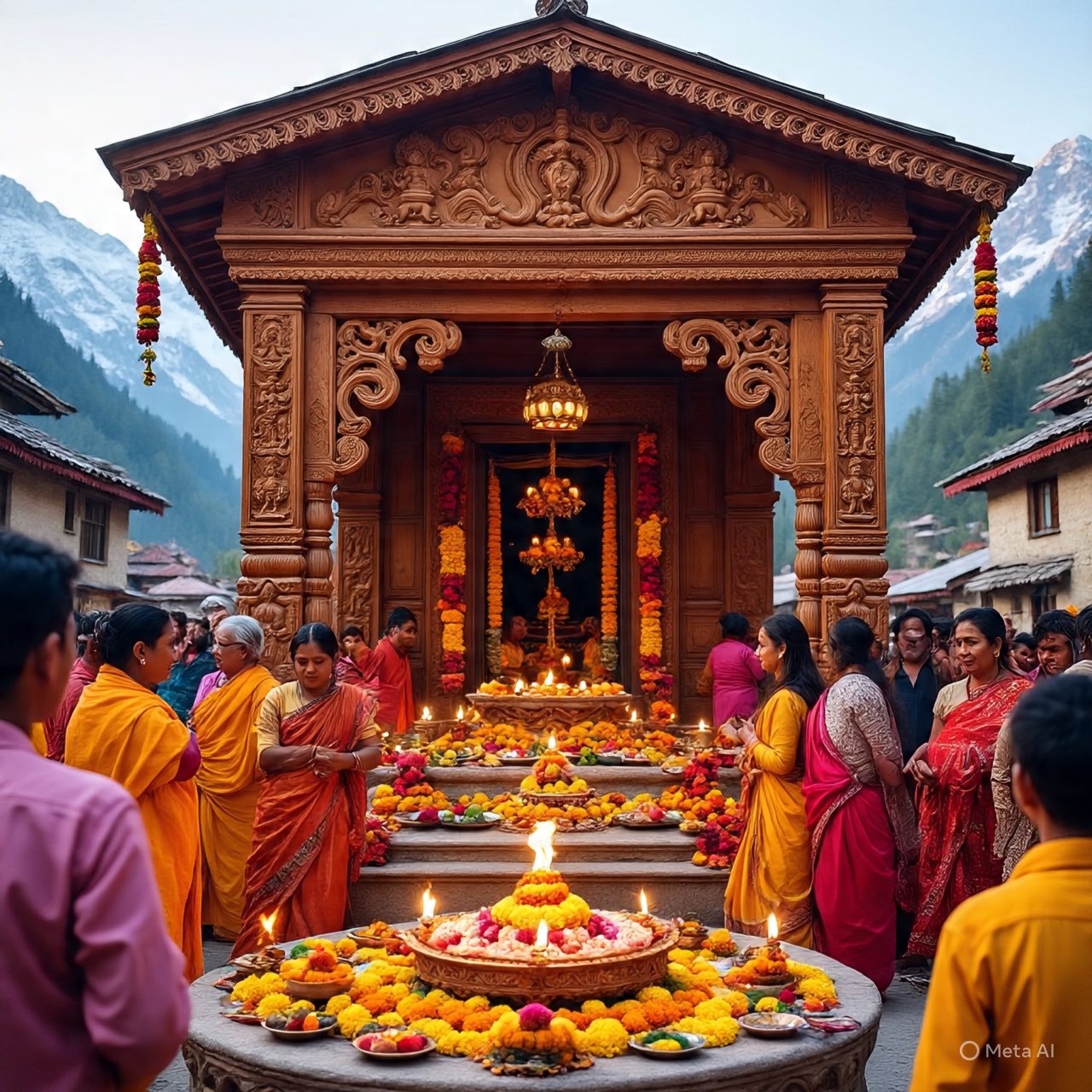
In Kullu, Diwali is called the ‘Diwali of the elderly’ because it is celebrated here a month later than mainland India. It is believed that when Lord Rama returned after completing 14 years of exile, the people of Kullu could not get the news till then. Therefore, Diwali is celebrated late here. On this day, houses are decorated with diyas, firecrackers are lit and puja is performed. This festival symbolizes light, victory, and auspiciousness.

Losar Festival

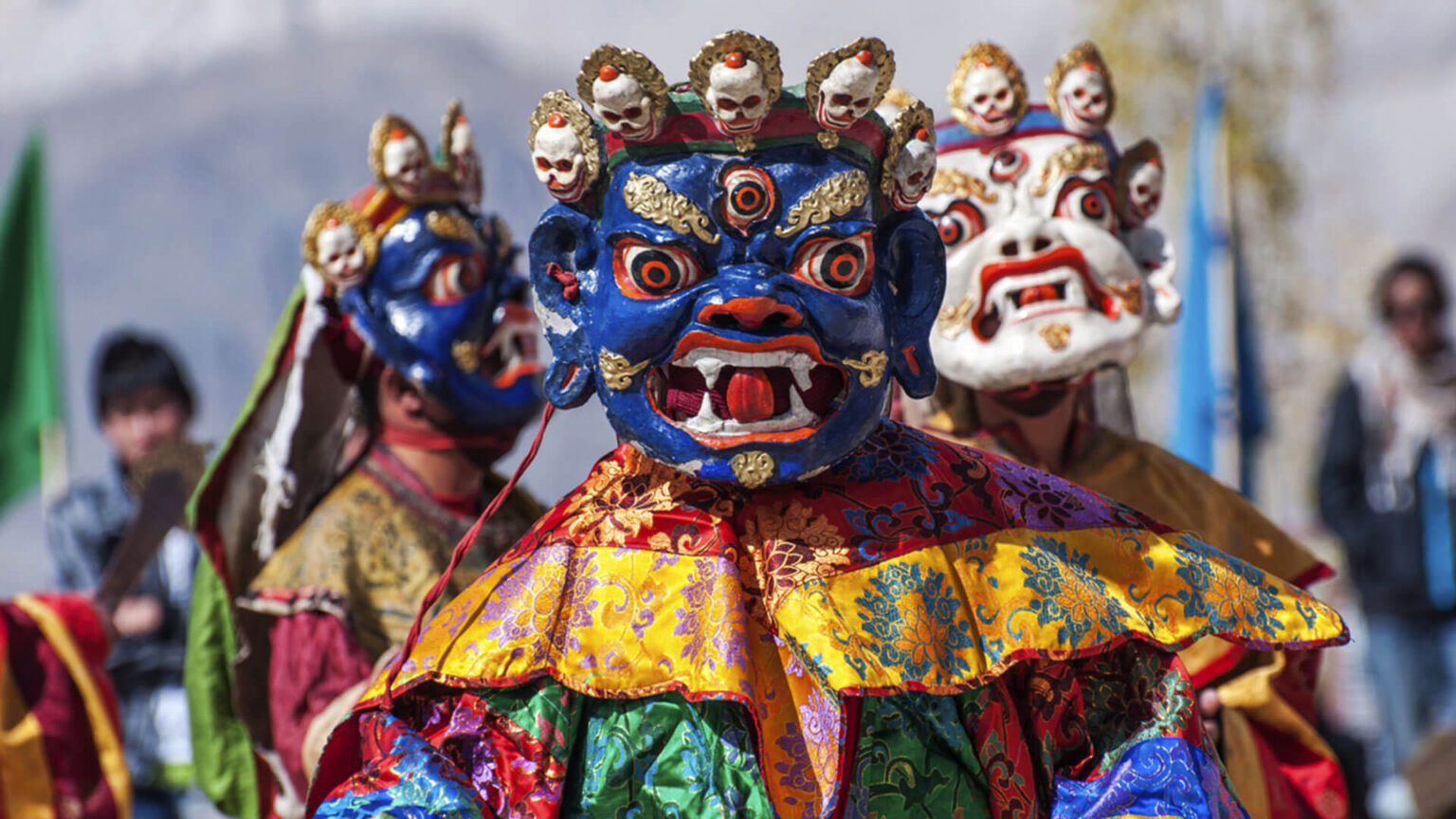
Losar is the Tibetan New Year celebrated with great enthusiasm by the people of the Lahaul-Spiti belt of Kullu and the Buddhist community. This festival falls in February-March. On this day, there is cleaning of houses, traditional food, prayers and cultural performances. People perform special puja in Buddhist monasteries and pray to remove negative forces. This festival reflects new consciousness, spirituality and respect for culture. Losar highlights the cultural diversity of Kullu.

Kullu Dussehra

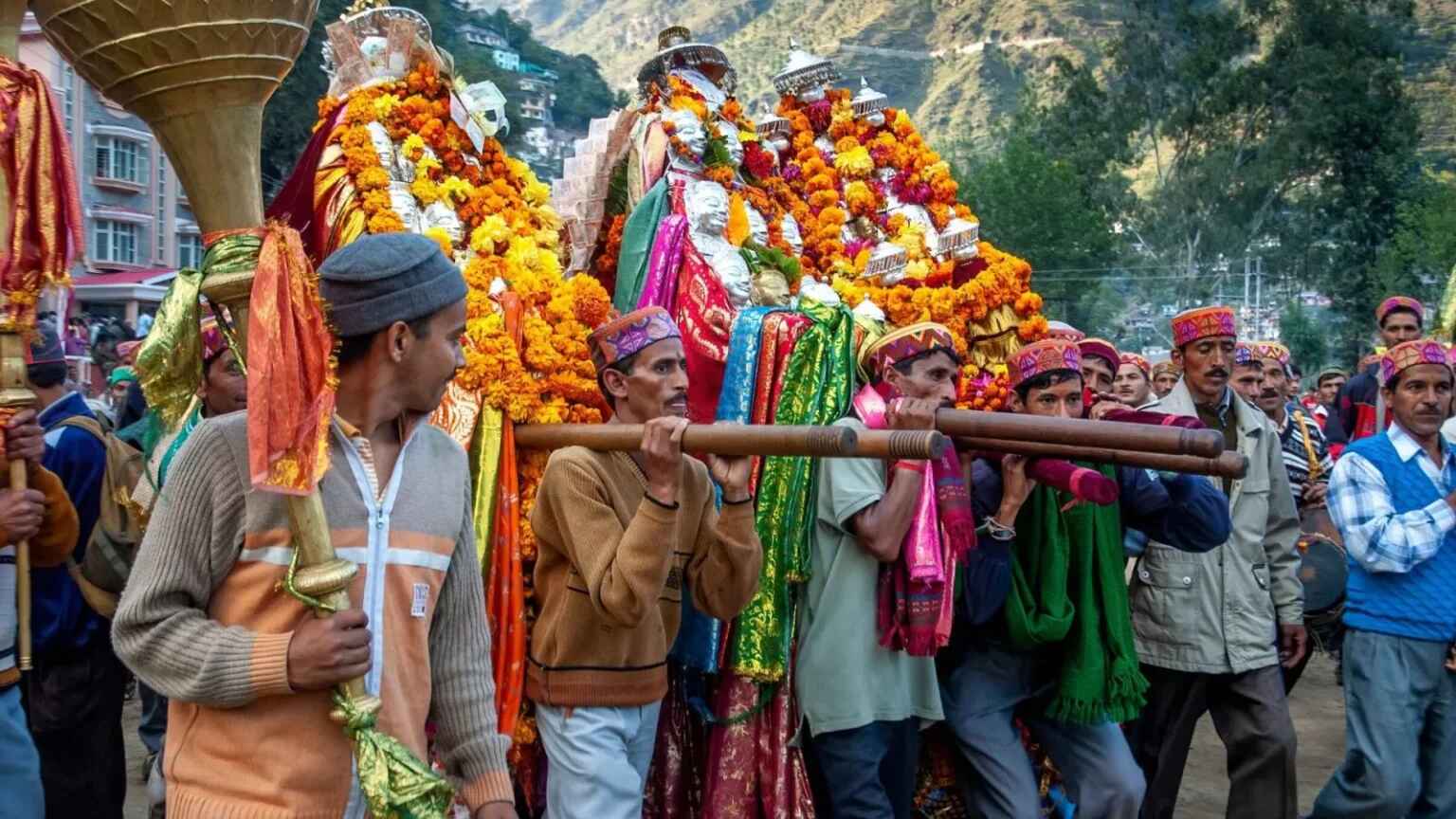
Kullu Dussehra is the most famous Dussehra festival in India, which starts on the day of Vijayadashami and lasts for seven days. This festival is celebrated as the worship of Lord Raghunath ji (Ram). Along with the Rath Yatra of Raghunath ji, idols of various deities are also brought, which attracts devotees from all over the region. There is no Ravana Dahan, but there is a Shobha Yatra of the deities. It is a symbol of religious faith, cultural heritage and local unity, which thousands of tourists come to see from the country and abroad.