We are designing travel experiences as unique as you!
Experience an unforgettable journey in
India
Explore breathtaking destinations in
Nepal
Explore most popular tour packages of
Bhutan
Book your dream tour of
We are designing travel experiences as unique as you!
Experience an unforgettable journey in
Explore breathtaking destinations in
Explore most popular tour packages of
Book your dream tour of
Explore best of India
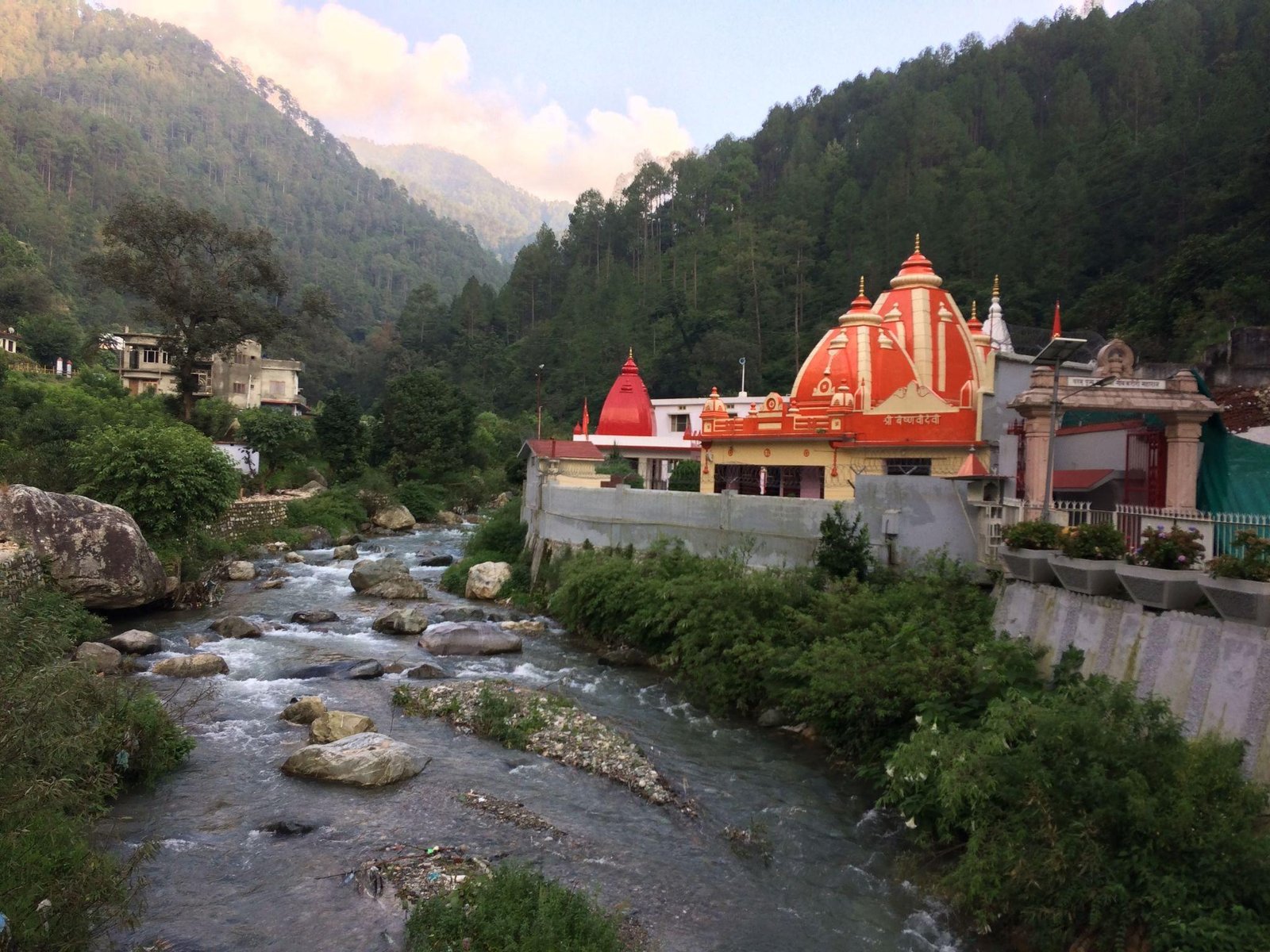
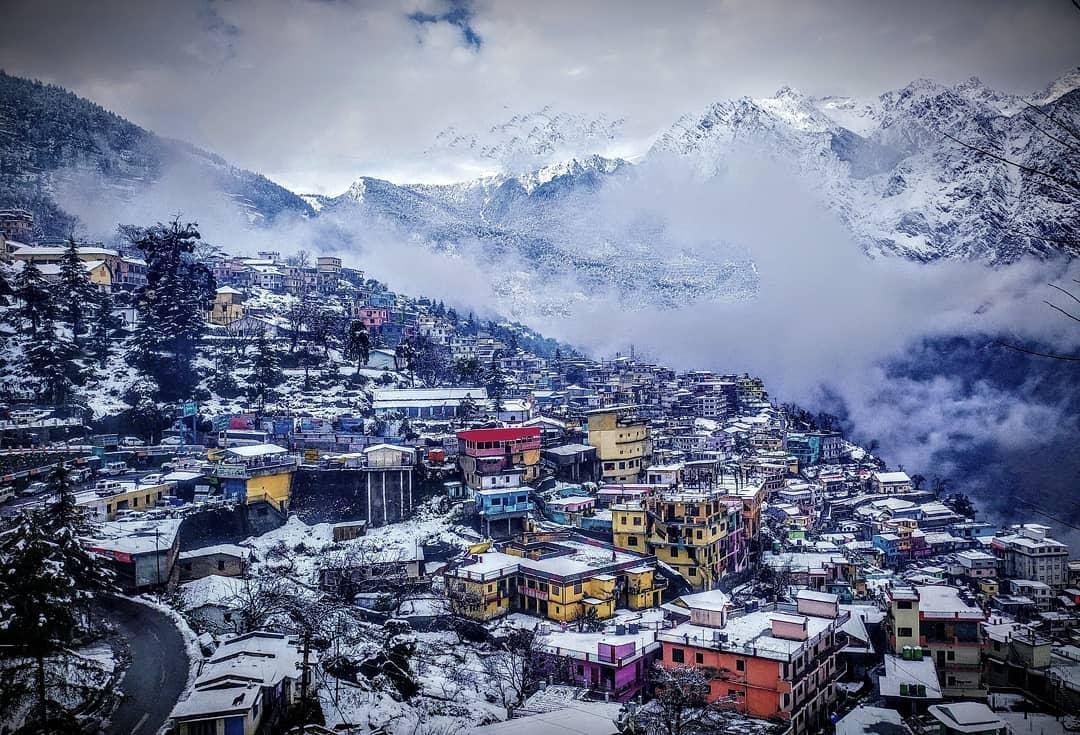
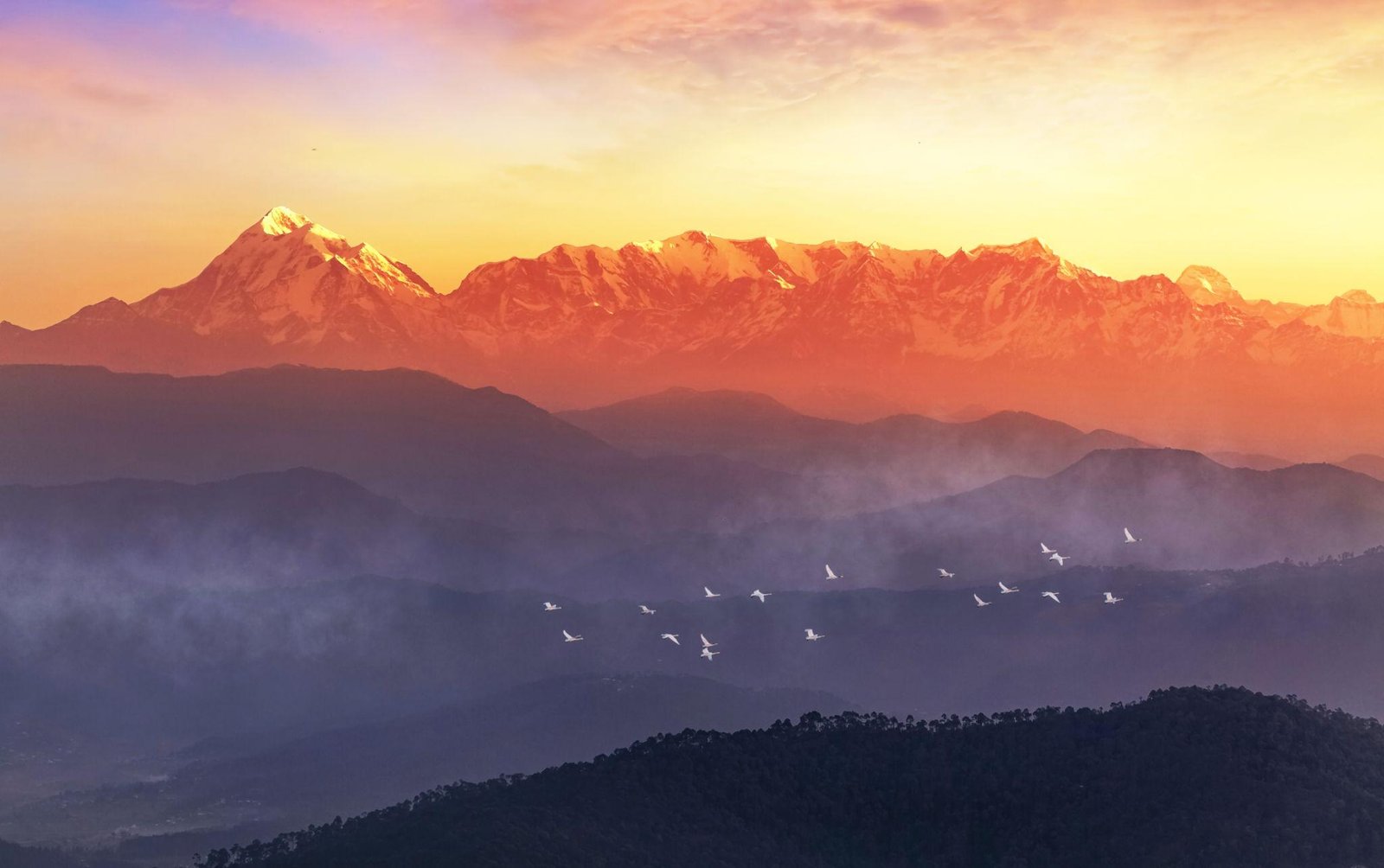
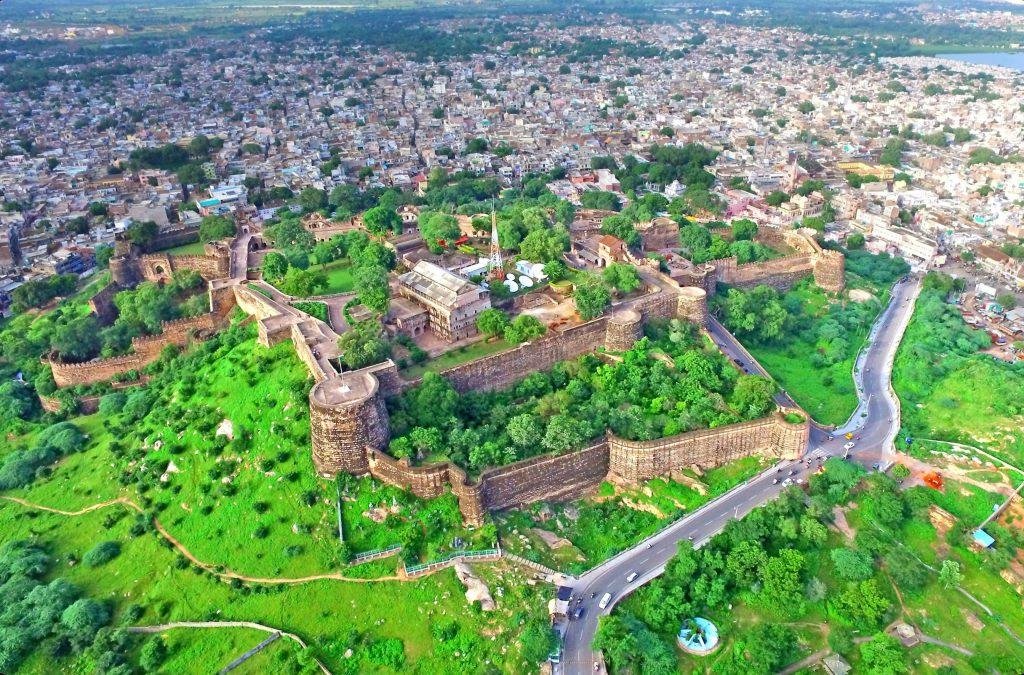
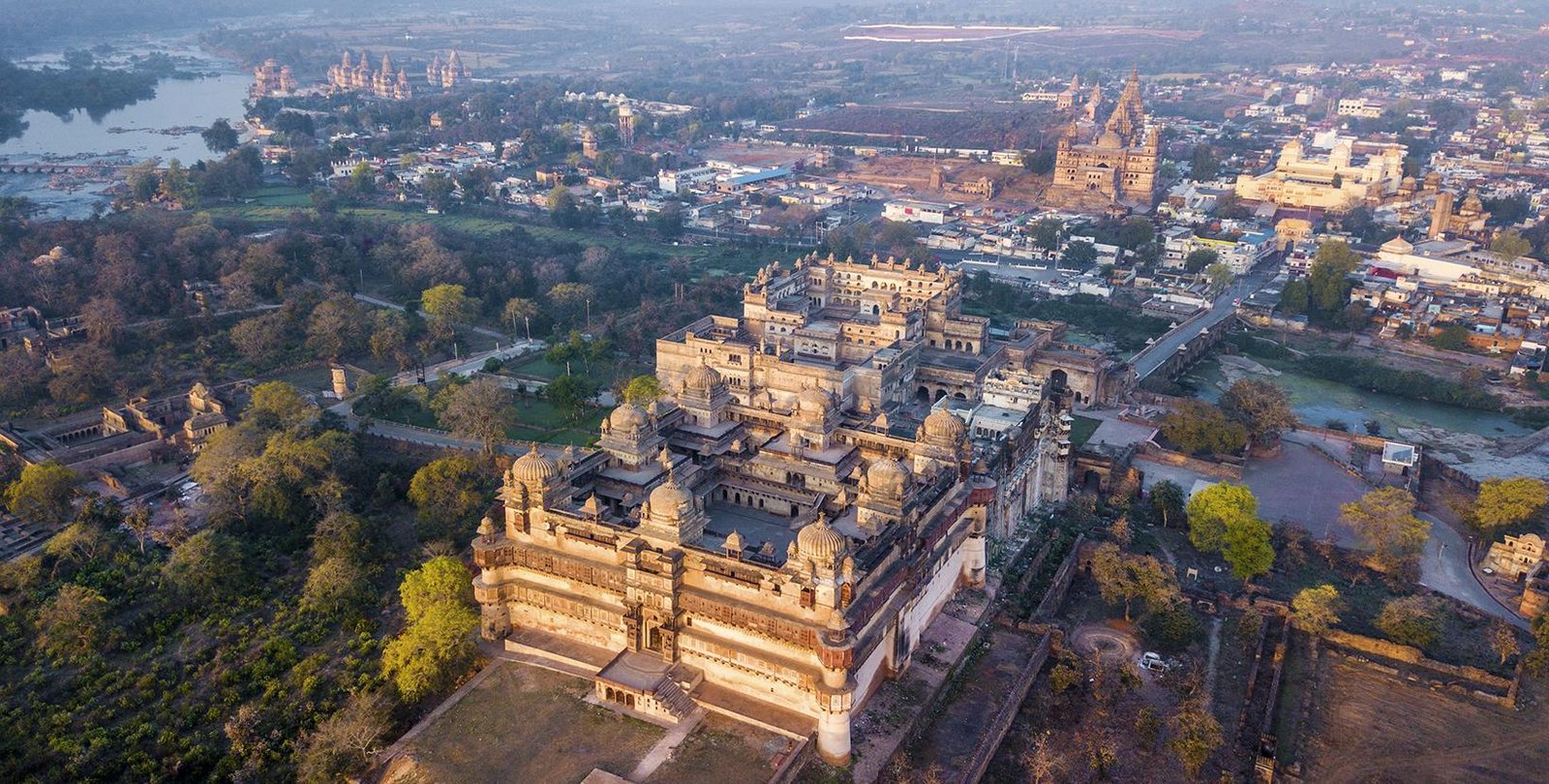
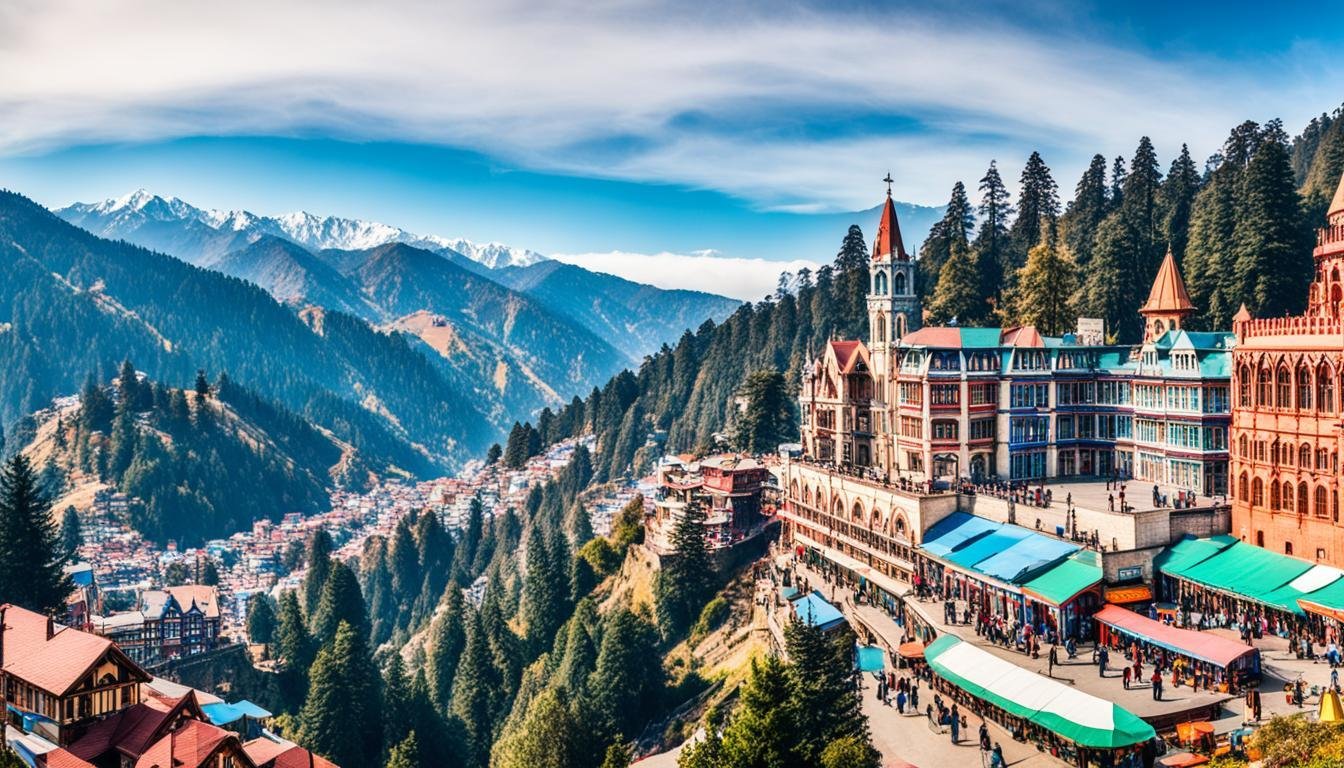
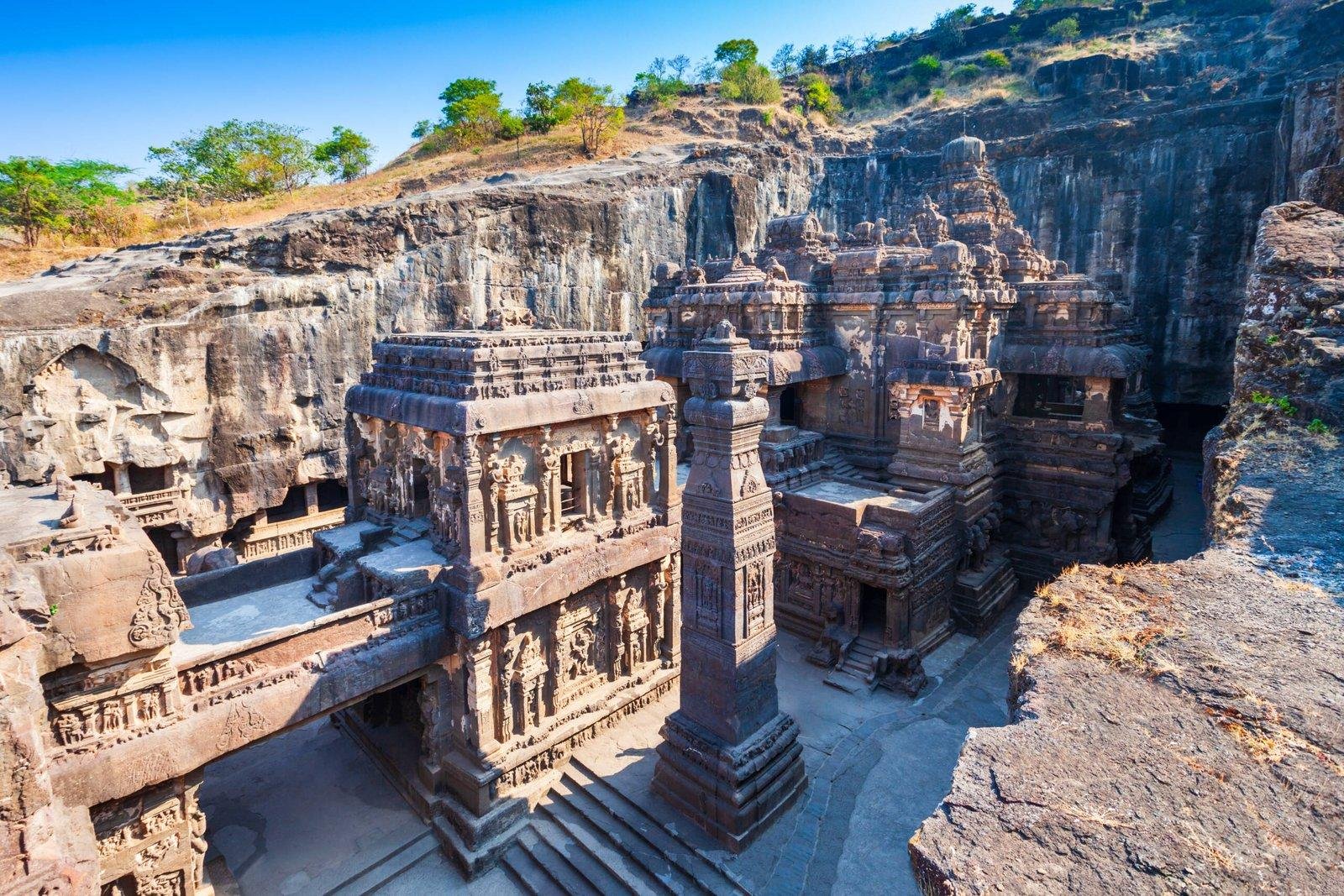
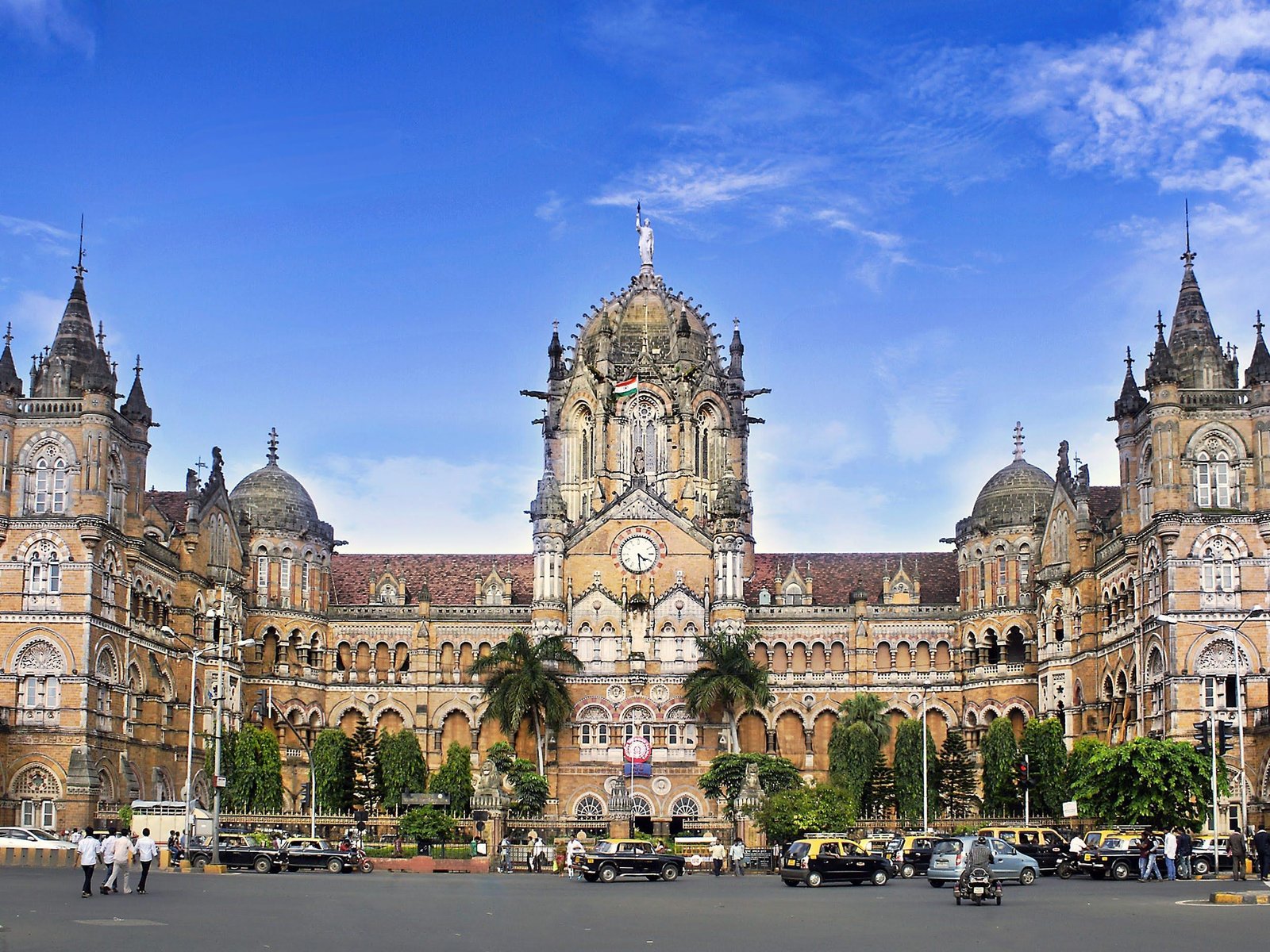
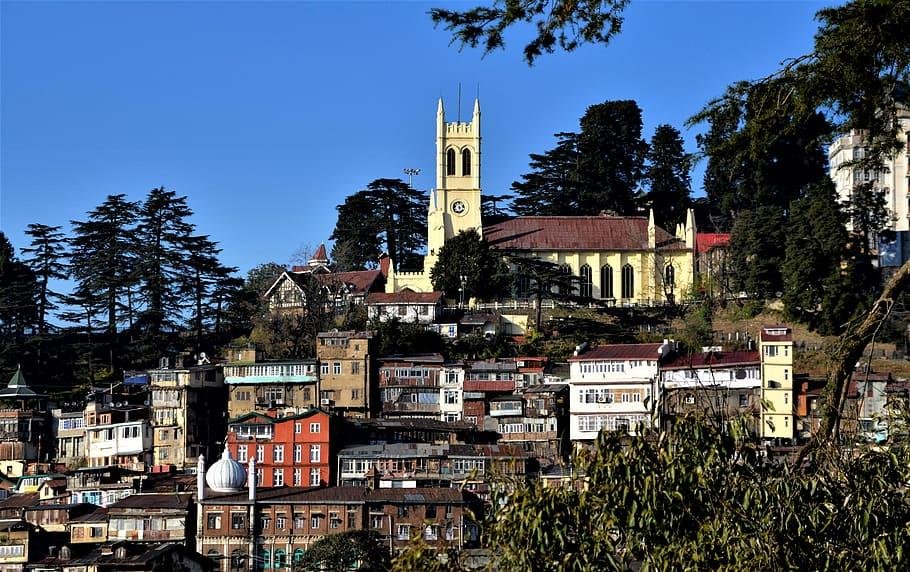
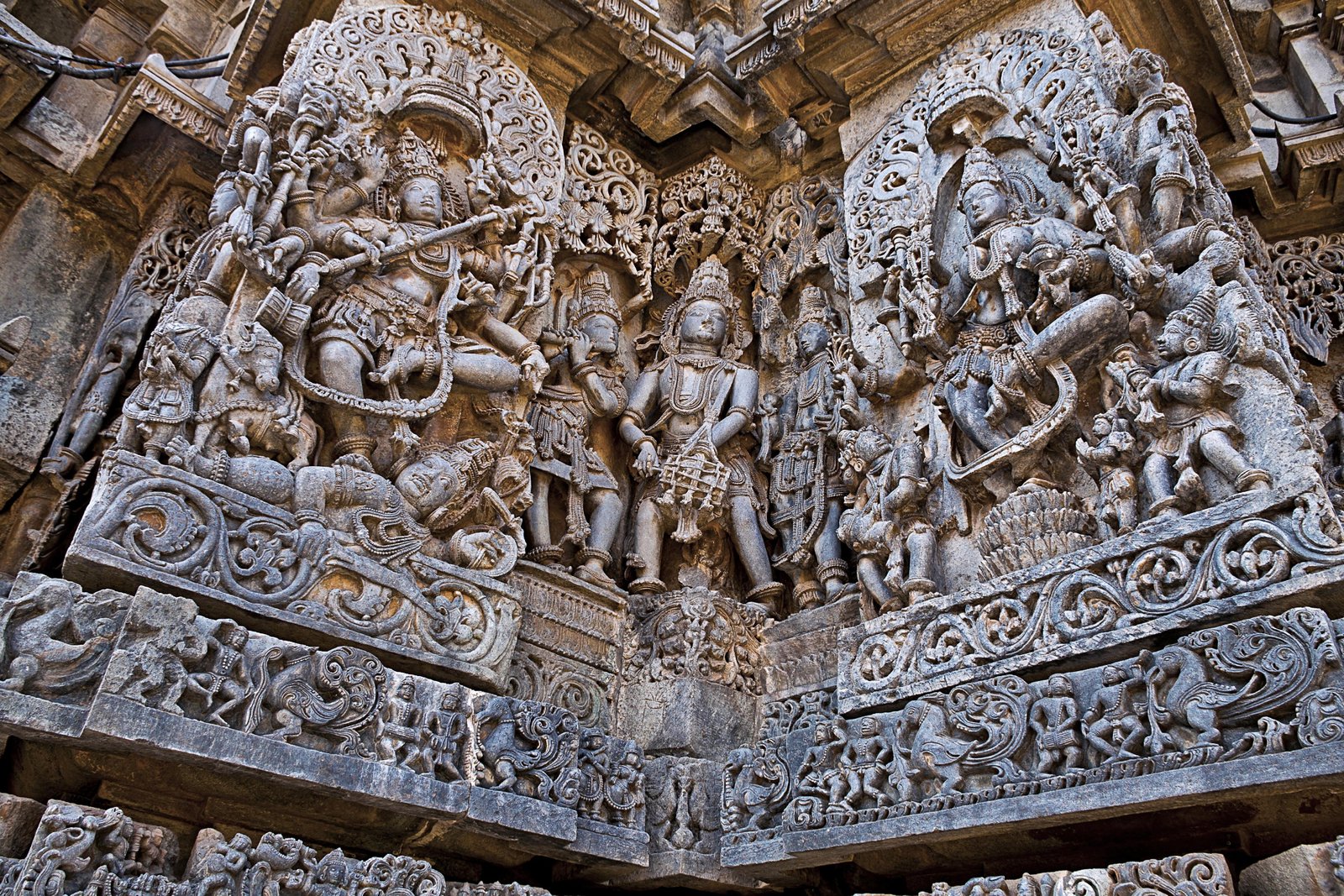
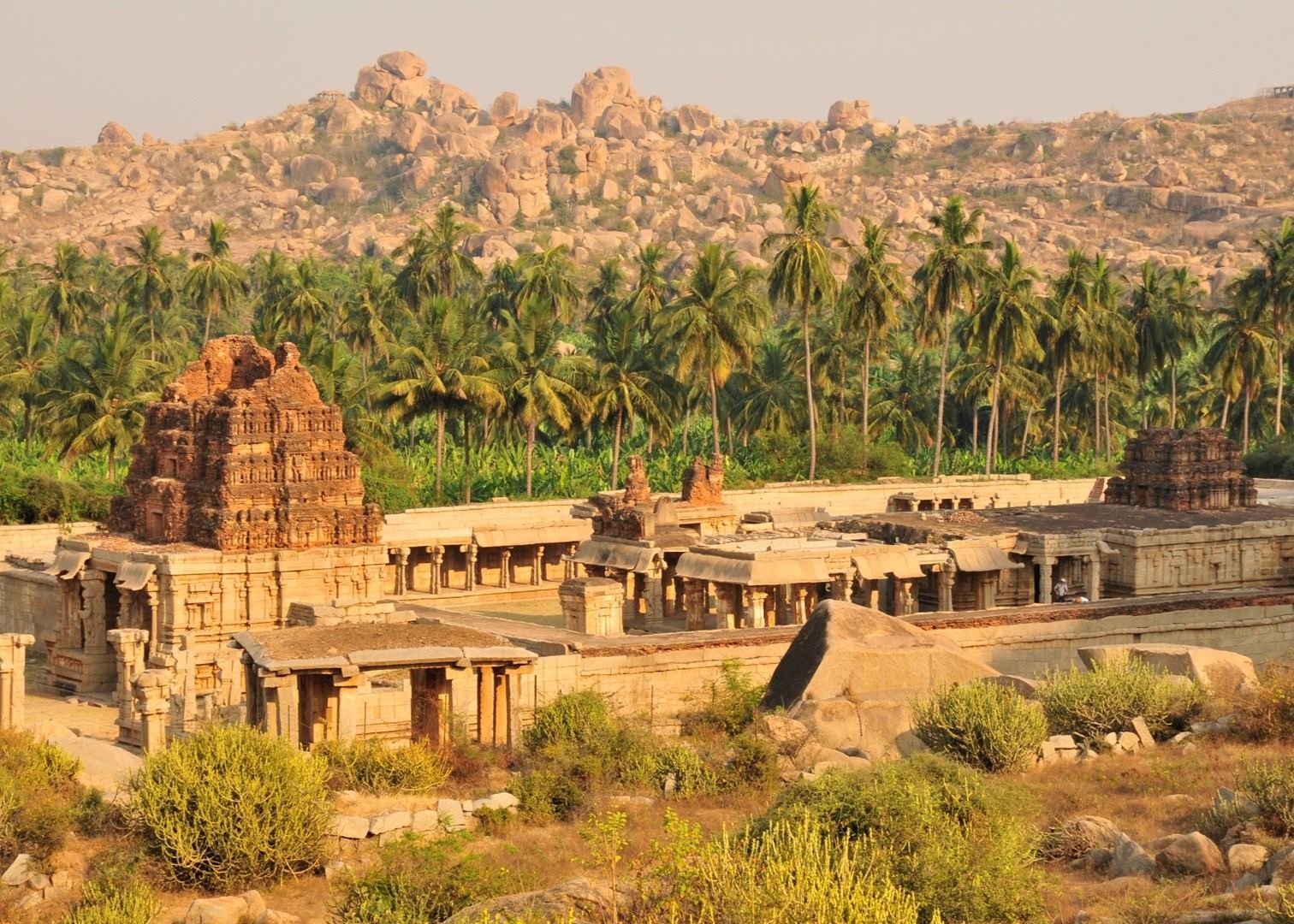
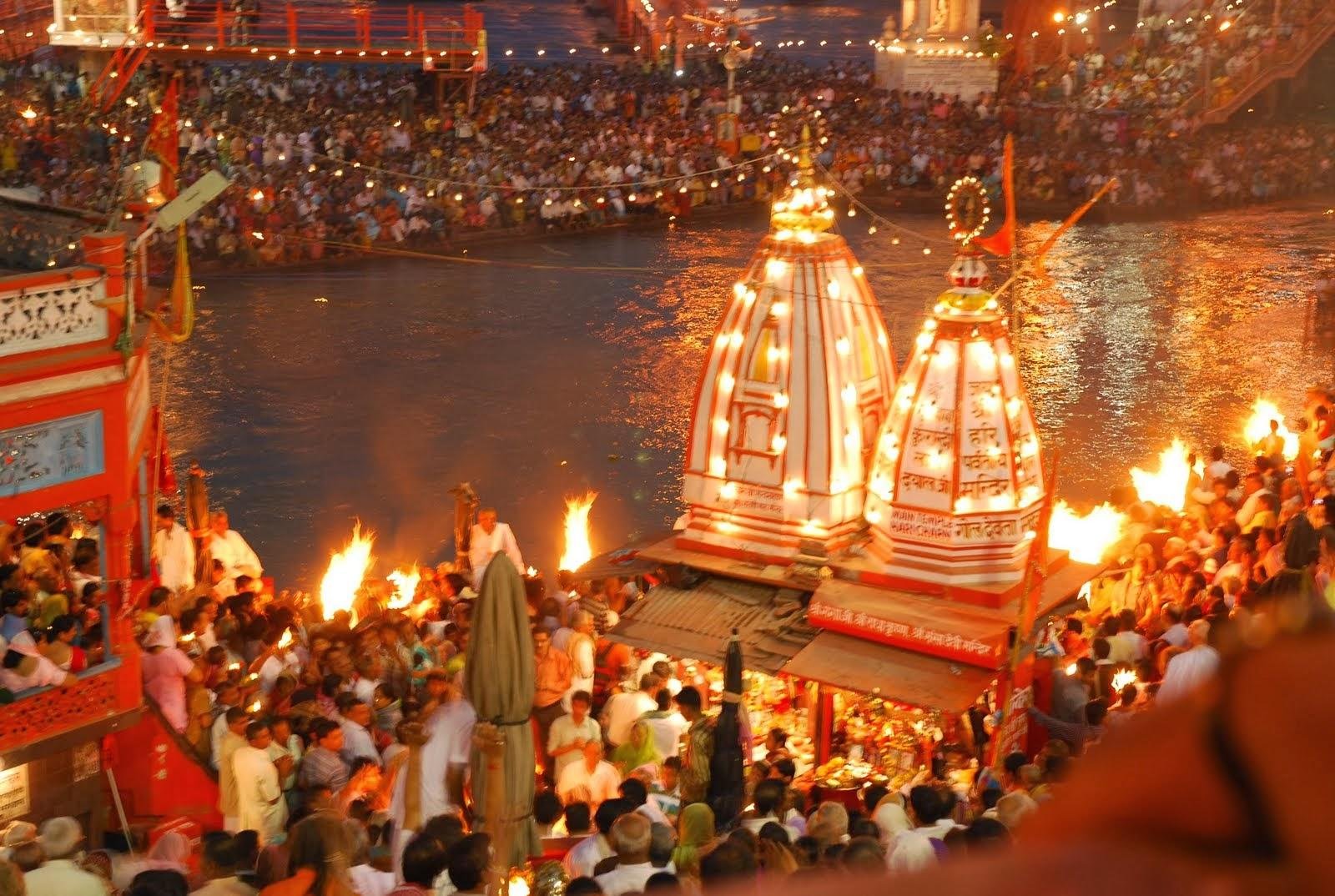
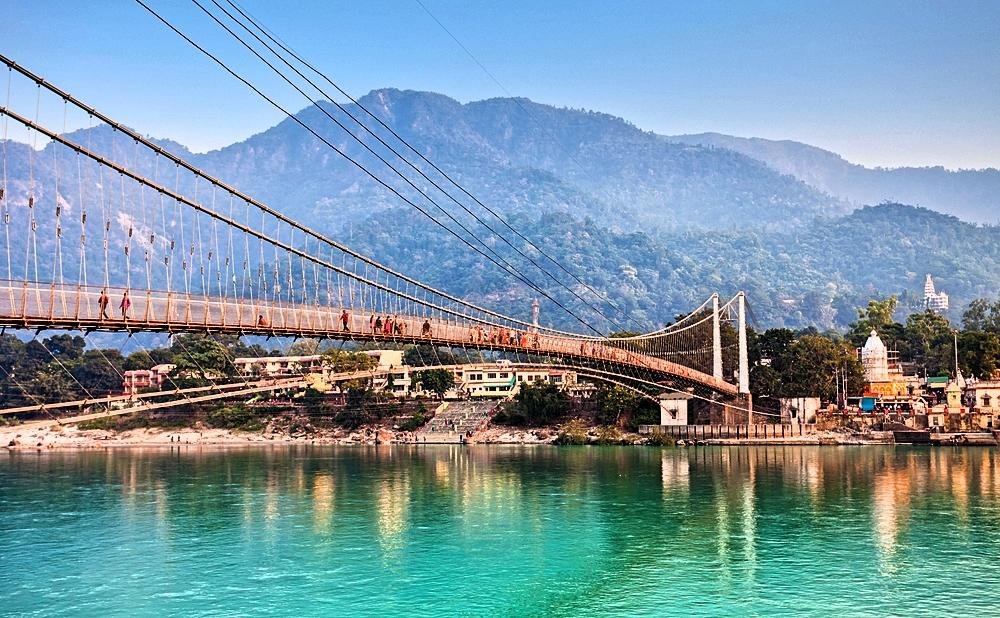
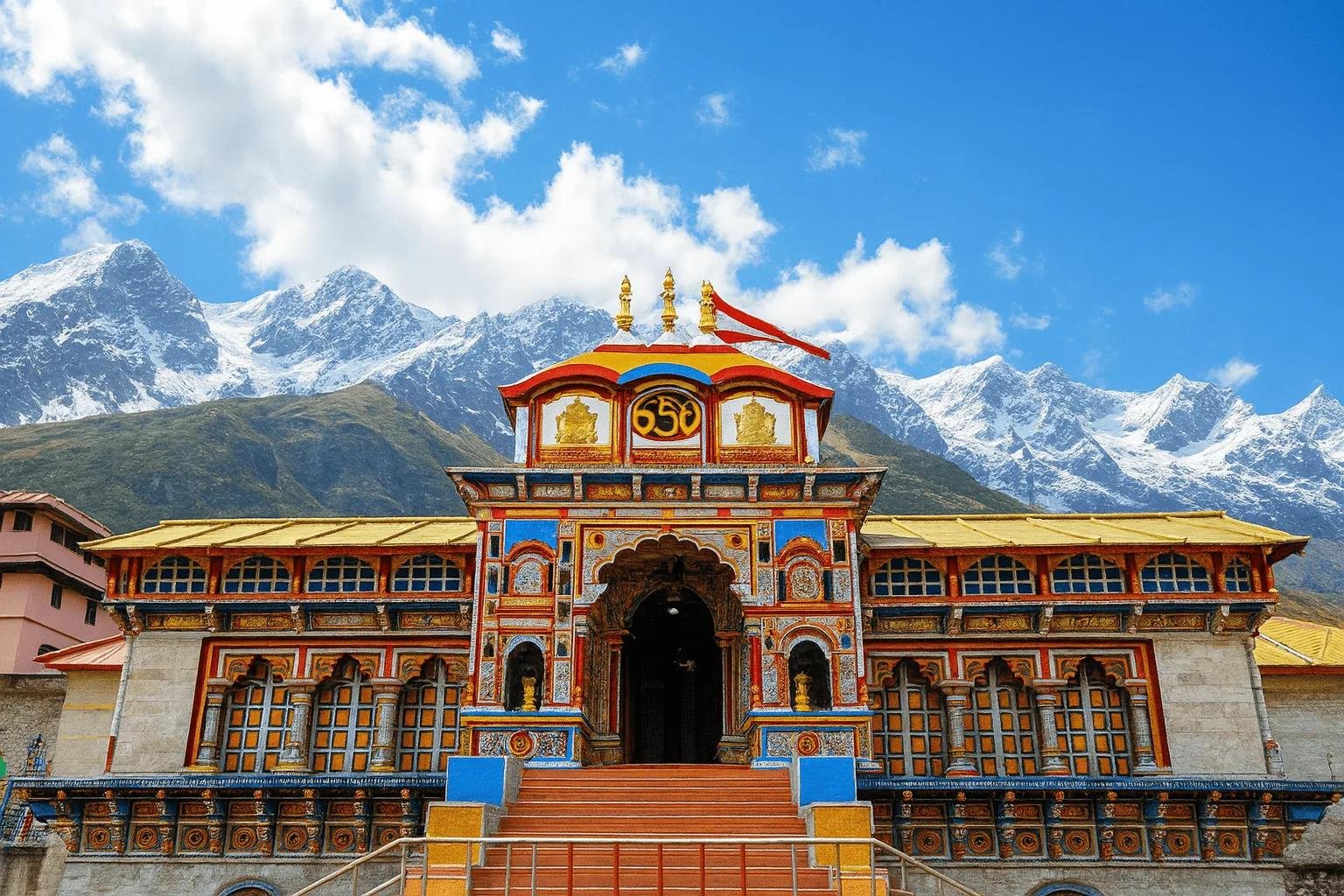
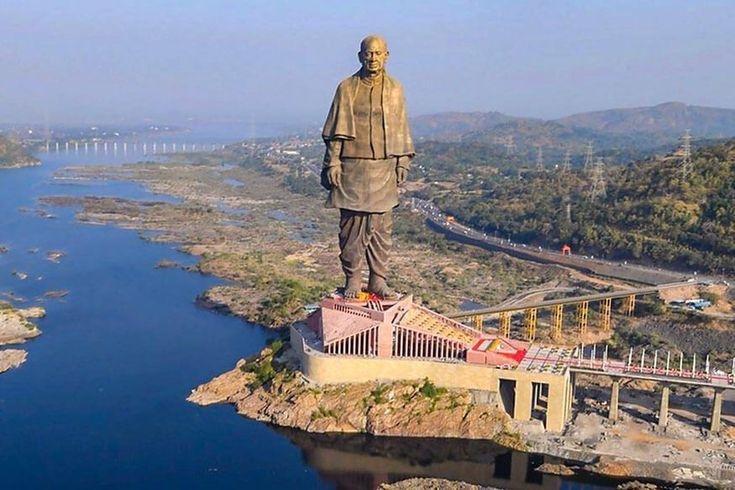
Still Undecided? Now you can Browse our Holiday Packages as Per Theme type. Tour packages includes Pilgrimages, wildlife, Business, Educational, Adventures, Photography, Hill Stations, Honeymoon, National Park and Nature Tour.
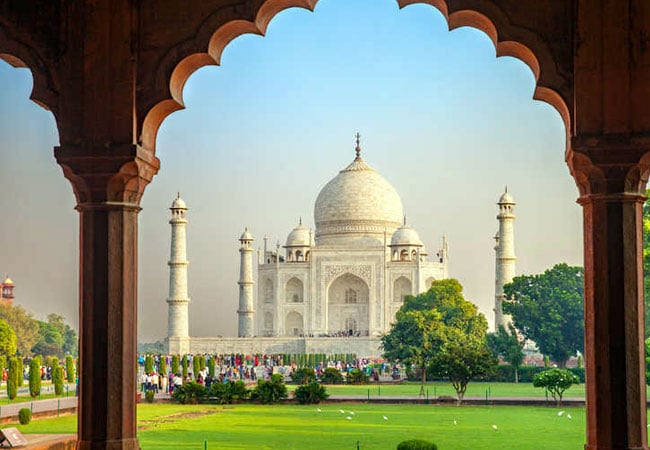

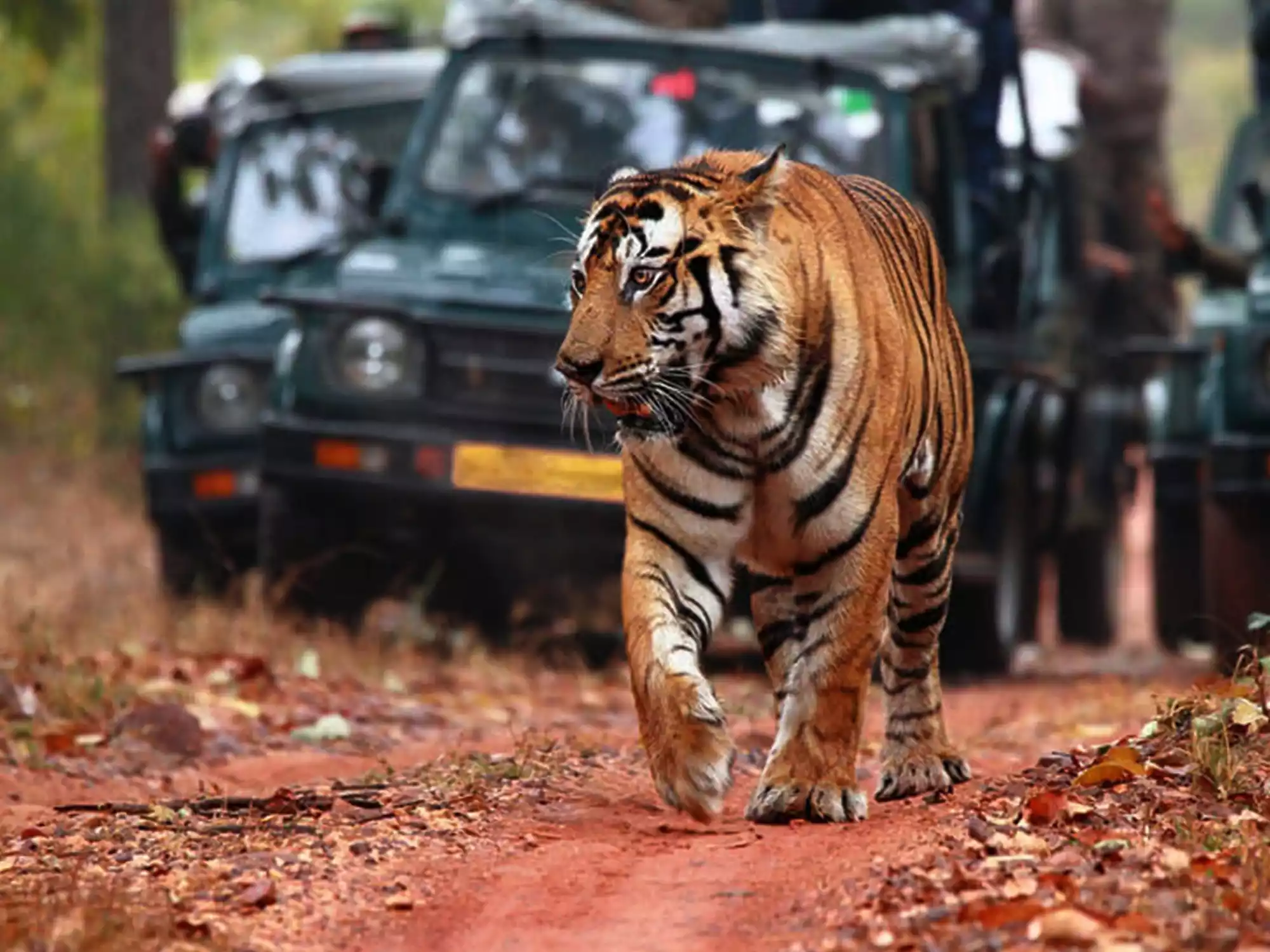
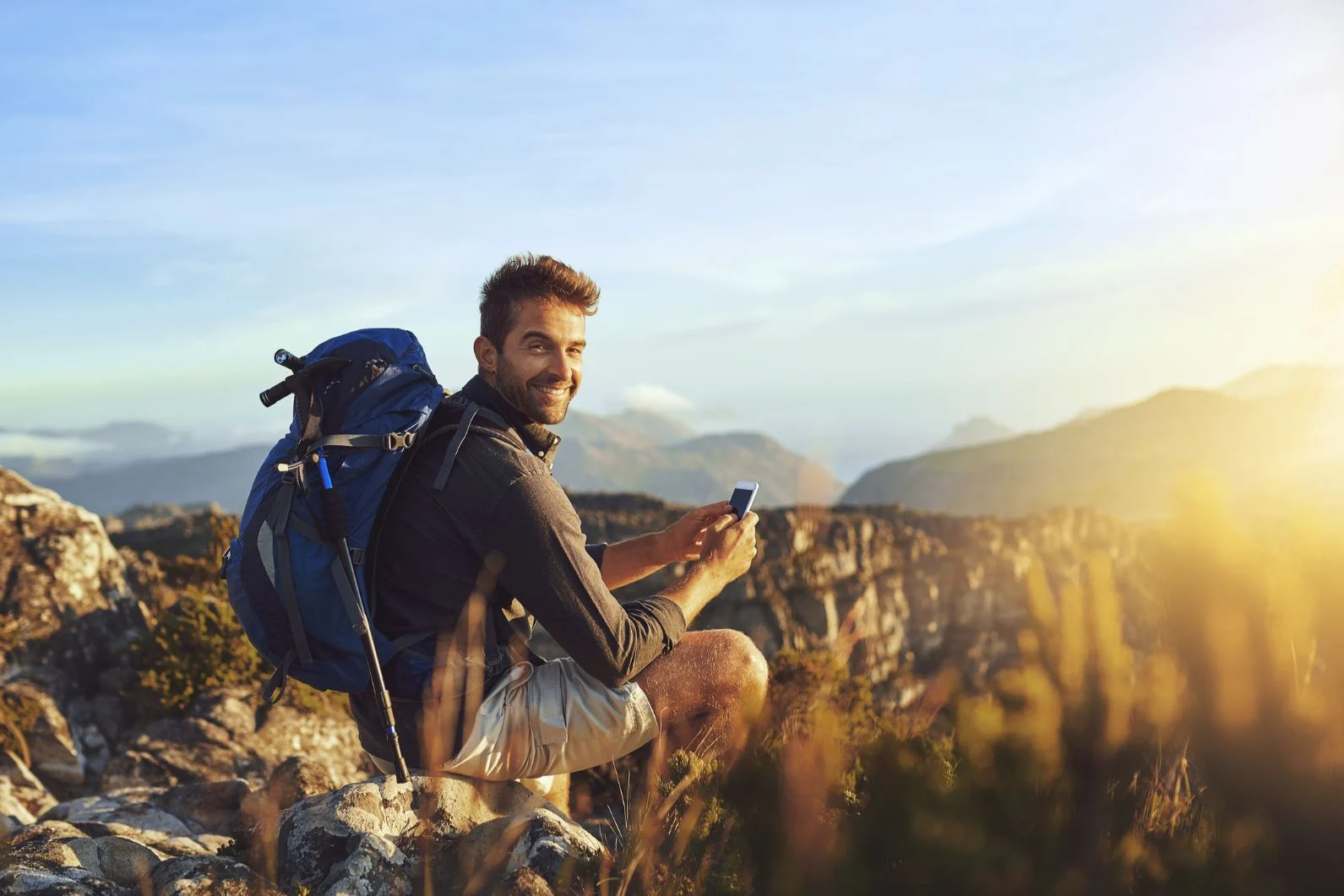
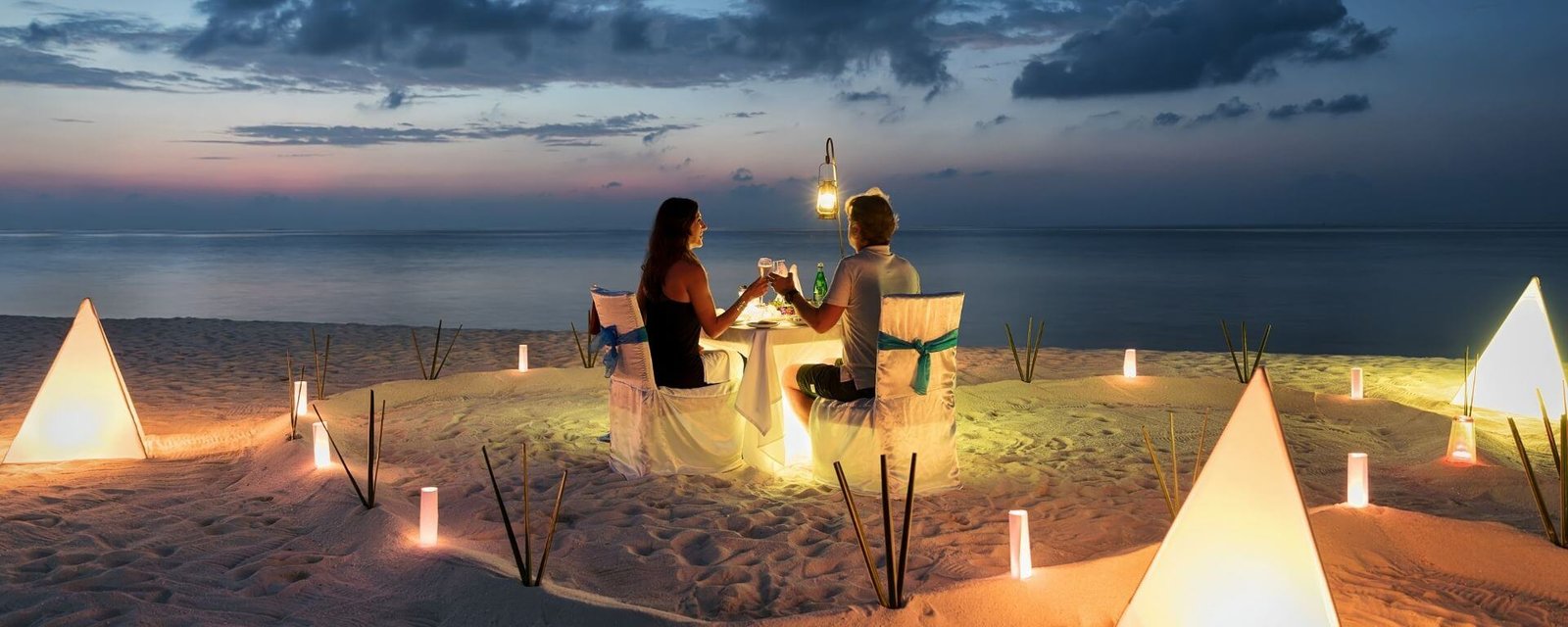
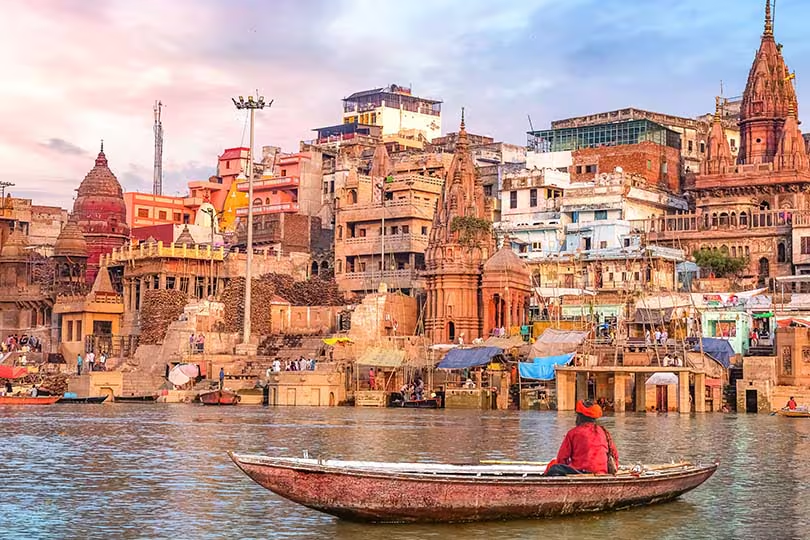
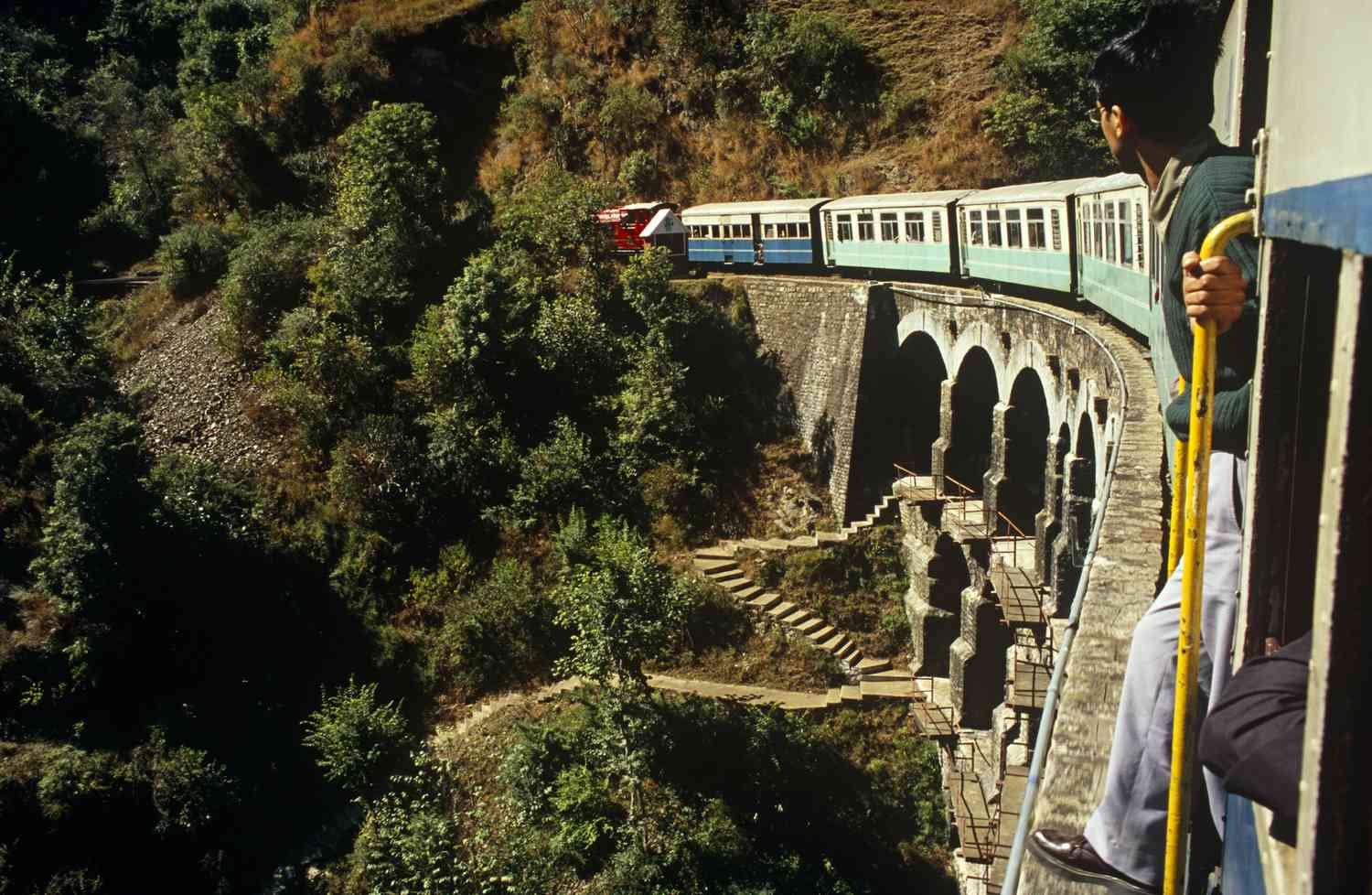
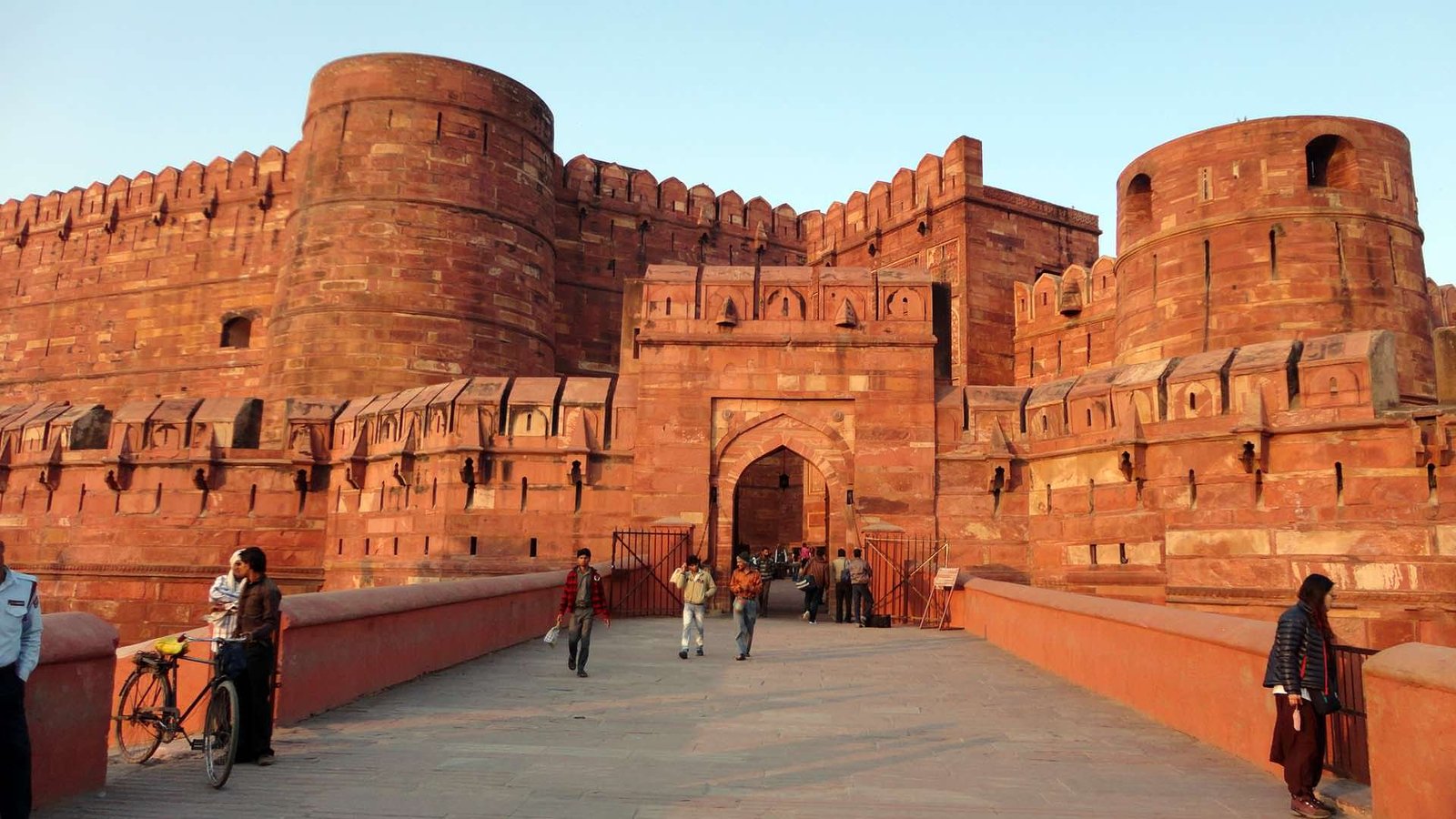
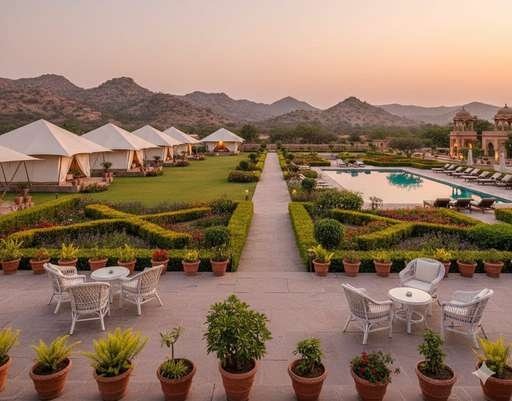

We are offering you the best tours to be designed in India depending upon your age and preference.
Know more about the famous and most visited travel destinations.
“It is better to see something once than to hear about it a thousand times.”
Plan your day by day itinerary for your vacation with Private Car and Driver or Tour Packages.
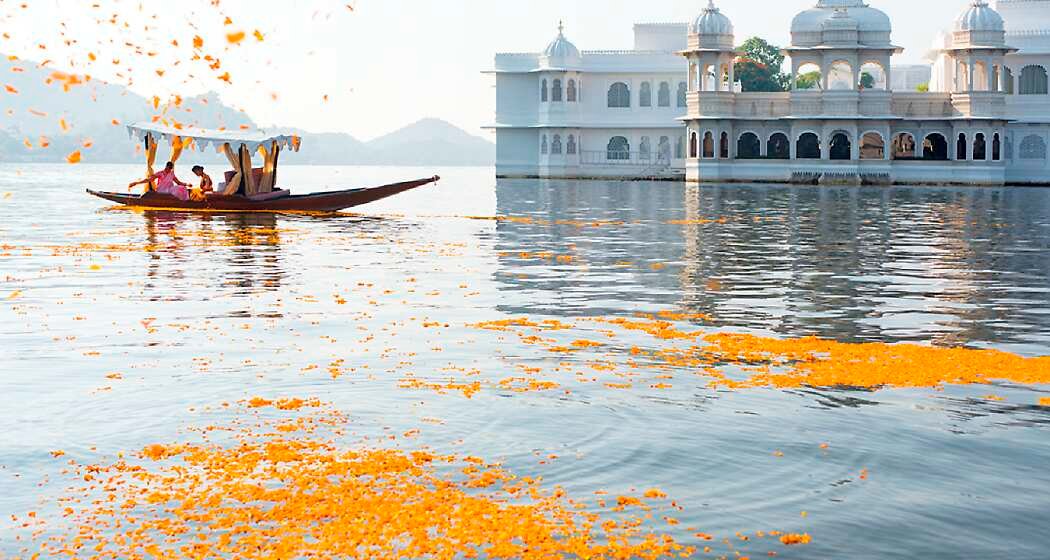
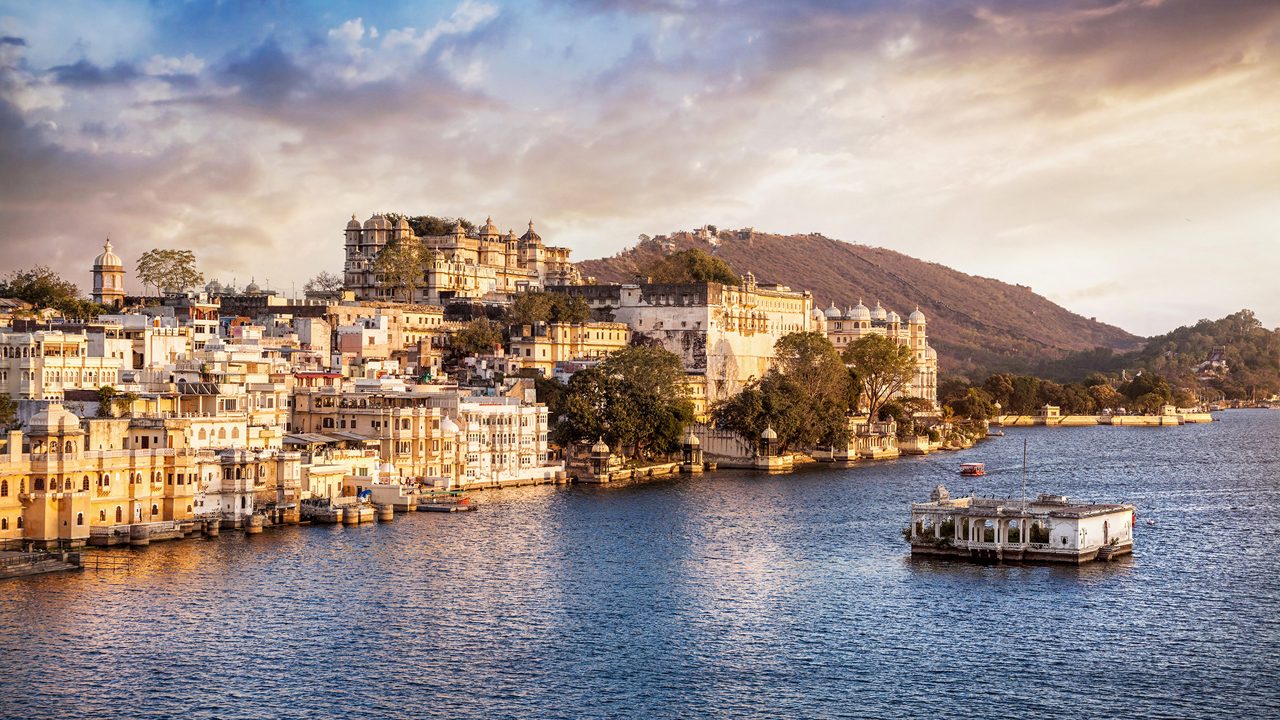
Besides its innumerable attractions and experiences, a number of places to visit in India by month lure visitors to this vibrant nation. Kick start the New Year with skiing in Auli, romance in Udaipur all February and play Holi in Vrindavan. Spend delightful summers at the hill stations and spare December for Christmas in Goa.
We are one of the best Rajasthan tour operators, dedicated to curating extraordinary journeys through the heart of Rajasthan’s rich heritage and culture. With a passion for showcasing the majestic land of kings, our Rajasthan tour operator offer unparalleled travel experiences that seamlessly blend tradition with modern comfort. Also, enjoy enchanting landscapes of Rajasthan with the leading rajasthan tour operator.
Our commitment to excellence is evident in every aspect of our services. From meticulously designed itineraries that highlight the iconic landmarks, palaces, and forts of Rajasthan to personalized tours that cater to your unique interests and preferences, we as rajasthan tour operator ensure that every moment of your journey is memorable. Whether you’re seeking a luxurious escape, a cultural exploration, or an adventurous escapade, we have the expertise and dedication to craft a Rajasthan journey that exceeds your expectations. Join us on an unforgettable expedition through the enchanting land of Rajasthan and discover the magic that has captivated travelers for centuries.
Experience Rajasthan with the best – your gateway to the royal treasures of India.
The Taste of India is a sensory symphony, tantalizing taste buds with a fusion of spices, flavors, and aromas. From the fiery kick of masala chai to the creamy richness of butter chicken, each dish tells a story of centuries-old culinary traditions. You can also opt for guided tour so you can enjoy each famous food without missing any. Our Rajasthan Tour Operator also help you to plan a food tour to India. You can enjoy the fragrant biryanis, crispy dosas, and sweet jalebis dance on the palate, reflecting the diversity and vibrancy of India’s regional cuisines. Whether savoring street food in bustling markets or dining in opulent restaurants, the Taste of India is a gastronomic journey that delights and surprises at every turn, leaving a lasting impression of its rich culinary heritage.
It has been said that India is less a country than a continent, and it holds as many variations in religion, language, customs, art and cuisine as it does in topography. For the traveller, this cultural feast is India’s great strength.
Indian art is basically religious in its themes and developments, and its appreciation requires at least some background knowledge of the country’s faiths. The highlights include classical Indian dance, Hindu temple architecture and sculpture (where one begins and the other ends is often hard to define), the military and urban architecture of the Mughals, miniature painting, and mesmeric Indian music. Of course, India’s creativity continues to thrive, its most lively contemporary expression being filmi culture. The latter is difficult for Western ears to immediately appreciate, but it doesn’t take long to get a feel for it.
The people of India have colorful & different attires. The silk saris, brightly mirrored cholis, colorful lehangas and the traditional salwar- kameez have fascinated many travellers, over time.
Light cotton clothes are useful almost anywhere in India at any time of year. It is a good idea to have some very lightweight long sleeve cotton and trousers for evenings, preferable light in colour, as they also give some protection against mosquitoes. Between Dec – Feb it can be cool at night even on the plains in N and E India, and at altitudes above 1,500m right across India some woolens are essential. Dress is rarely formal. In the large cities short sleeve shirt and ties are often worn for business. For traveling loose clothes are most comfortable.Indian dressing styles are marked by many variations, both religious and regional and one is likely to witness a plethora of colors, textures and styles in garments worn by the Indians.
Next to China, India is the country with the largest number of inhabitants in the world. Facing the fact that almost one thousand million people are living in India it is amazing that they occupy only 2.4 % of the earth’s surface. The average population density is 298 inhabitants per square km. In some areas, population density reaches over 1000 inhabitants per km square for which two reasons can be mentioned. First, population remains concentrated in the big cities and around the fertile riverbeds of the Ganges and second huge parts of the country remain uninhabitable because they are covered either by desert or by high mountains. The average life expectancy is 58 years, the share of young people under the age of 18 is over 40%.Around ¾ of Indians are living in the rural area, ¼ of the population lives in cities. The biggest cities are Kolkata (formerly Calcutta), Mumbai (formerly Bombay), Delhi and Chennai (formerly Madras). About 5 million Indians are living abroad, primarily in South and East Africa, in South-East-Asia, North America and around the Persian Gulf.
India’s major religion, Hinduism, is practised by approximately 80% of the population. In terms of the number of adherents, it’s the largest religion in Asia and one of the world’s oldest extant faiths. Hinduism has a vast pantheon of gods, a number of holy books and postulates that everyone goes through a series of births or reincarnations that eventually lead to spiritual salvation. With each birth, you can move closer to or further from eventual enlightenment; the deciding factor is your karma. The Hindu religion has three basic practices. They are puja or worship, the cremation of the dead, and the rules and regulations of the caste system. Hinduism is not a proselytising religion since you cannot be converted: you’re either born a Hindu or you’re not.
Buddhism was founded in northern India in about 500 BC and spread rapidly when emperor Ashoka embraced it but was gradually reabsorbed into Hinduism. Today Hindus regard the Buddha as another incarnation of the Hindu god Vishnu. There are now only 6.6 million Buddhists in India, but important Buddhist sites in northern India, such as Bodhgaya, Sarnath (near Varanasi) and Kushinagar (near Gorakhpur) remain important sites of pilgrimage. The Jain religion also began life as an attempt to reform Brahminical Hinduism. It emerged at the same time as Buddhism, and for many of the same reasons. The Jains now number only about 4.5 million and are found predominantly in the west and southwest of India. The religion has never found adherents outside India. Jains believe that the universe is infinite and was not created by a deity. They also believe in reincarnation and eventual spiritual salvation by following the path of the Jain prophets.
There are more than 100 million Muslims in India, making it one of the largest Muslim nations on earth. Islam is the dominant religion in the neighbouring countries of Pakistan and Bangladesh, and there is a Muslim majority in Jammu & Kashmir. Muslim influence in India is particularly strong in the fields of architecture, art and food. The Sikhs in India number 18 million and are predominantly located in the Punjab. The religion was originally intended to bring together the best of Hinduism and Islam. Its basic tenets are similar to those of Hinduism with the important modification that the Sikhs are opposed to caste distinctions. The holiest shrine of the Sikh religion is the Golden Temple in Amritsar.
India’s first major civilisation flourished for a thousand years from around 2500 BC along the Indus River valley. Its great cities were Mohenjodaro and Harappa (in what is now Pakistan), which were ruled by priests and held the rudiments of Hinduism. Aryan invaders swept south from Central Asia between 1500 and 200 BC and controlled northern India, pushing the original Dravidian inhabitants south.
The invaders brought their own gods and cattle-raising and meat-eating traditions, but were absorbed to such a degree that by the 8th century BC the priestly caste had reasserted its supremacy. This became consolidated in the caste system, a hierarchy maintained by strict rules that secured the position of the Brahmin priests. Buddhism arose around 500 BC, condemning caste; it drove a radical swathe through Hinduism in the 3rd century BC when it was embraced by the Mauryan Emperor Ashoka, who controlled huge tracts of India.
A number of empires, including the Guptas, rose and fell in the north after the collapse of the Mauryas. Hinduism underwent a revival from 40 to 600 AD, and Buddhism began to decline. The north of India broke into a number of separate Hindu kingdoms after the Huns’ invasion; it was not really unified again until the coming of the Muslims in the 10th and 11th centuries. The far south, whose prosperity was based on trading links with the Egyptians, Romans and southeast Asia, was unaffected by the turmoil in the north, and Hinduism’s hold on the region was never threatened.
In 1192 the Muslim Ghurs arrived from Afghanistan. Within 20 years the entire Ganges basin was under Muslim control, though Islam failed to penetrate the south. Two great kingdoms developed in what is now Karnataka: the mighty Hindu kingdom of Vijayanagar, and the fragmented Bahmani Muslim kingdom.
Mughal emperors marched into the Punjab from Afghanistan, defeated the Sultan of Delhi in 1525, and ushered in another artistic golden age. The Maratha Empire grew during the 17th century and gradually took over more of the Mughals’ domain. The Marathas consolidated control of central India until they fell to the last great imperial power, the British.
The British were not, however, the only European power in India: the Portuguese had controlled Goa since 1510 and the French, Danes and Dutch also had trading posts. By 1803, when the British overwhelmed the Marathas, most of the country was under the control of the British East India Company, which had established its trading post at Surat in Gujarat in 1612.
The company treated India as a place to make money, and its culture, beliefs and religions were left strictly alone. Britain expanded iron and coal mining, developed tea, coffee and cotton plantations, and began construction of India’s vast rail network. They encouraged absentee landlords because they eased the burden of administration and tax collection, creating an impoverished landless peasantry – a problem which is still chronic in Bihar and West Bengal. The Uprising in northern India in 1857 led to the demise of the East India Company, and administration of the country was handed over to the British government.
Opposition to British rule began in earnest at the turn of the 20th century. The ‘Congress’ which had been established to give India a degree of self-rule, now began to push for the real thing. In 1915, Gandhi returned from South Africa, where he had practised as a lawyer, and turned his abilities to independence, adopting a policy of passive resistance, or satyagraha.
WWII dealt a deathblow to colonialism and Indian independence became inevitable. Within India, however, the large Muslim minority realised that an independent India would be Hindu-dominated. Communalism grew, with the Muslim League, led by Muhammad Ali Jinnah, speaking for the overwhelming majority of Muslims, and the Congress Party, led by Jawaharlal Nehru, representing the Hindu population. The bid for a separate Muslim nation was the biggest stumbling block to Britain granting independence.
Faced with a political stand-off and rising tension, Viceroy Mountbatten reluctantly decided to divide the country and set a rapid timetable for independence. Unfortunately, the two overwhelmingly Muslim regions were on opposite sides of the country – meaning the new nation of Pakistan would be divided by a hostile India. When the dividing line was announced, the greatest exodus in human history took place as Muslims moved to Pakistan and Hindus and Sikhs relocated to India. Over 10 million people changed sides and even the most conservative estimates calculate that 250,000 people were killed. On 30 January 1948, Gandhi, deeply disheartened by Partition and the subsequent bloodshed, was assassinated by a Hindu fanatic.
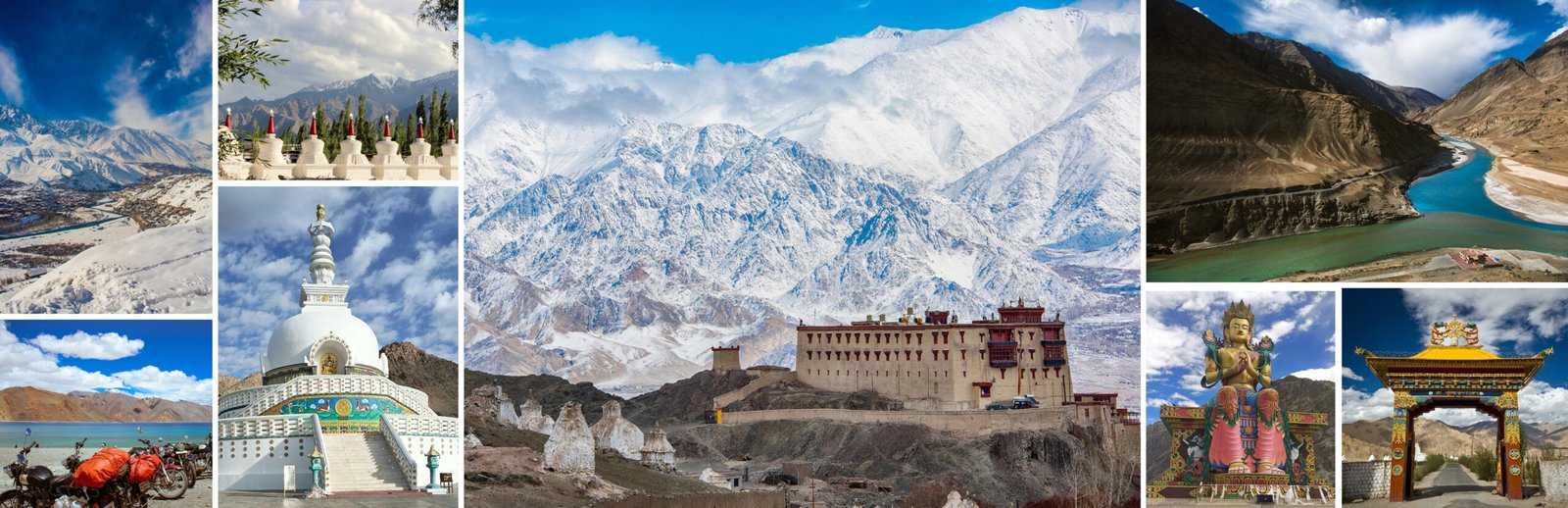
Average maximum winter temperatures range from the high 20 degree Celsius in the S to below freezing in parts of Kashmir, Leh and Ladakh, and the low 20 degree Celsius in the northern plains. The range of minimum winter temperatures between N and S is greater. In many parts of the N plains, especially in the NW, close to the foothills of the Himalayas, night temperatures fall close to freezing. In contrast, in the far S, minimum temperature never fall below 20 degree Celsius except in the hills.
In summer the N is generally hotter than the S, with daytime temperatures usually over 40 degree Celsius and in parts of the NW up to nearly 50 degree Celsius from time to time. Night time temperatures also remain high. The end of Apr – May is the hottest time. Once the clouds of the monsoon season arrives, the temperature fall a few degrees, but the air gets much more humid, often making it intensely uncomfortable. In the S maximum temperatures never reach those experienced in the N, rarely rising above 40 degree Celsius for more than a day or at a time. May is also generally the hottest month.
India’s seasonal rainfall pattern is dominated by the monsoon, which generally arrives at the SW coast in late May or June, covering most of the country by the beginning of July, and retreating in October. However, the popular image of the monsoon is misplaced. Even in the wettest areas – the west coast or the NE hills of the Shillong plateau – there are periods of days at a time when it does not rain. Elsewhere the rainy season is marked by prolonged very heavy showers, interspersed with cloudy, humid weather and occasional bright patches.
India is a large, triangular-shaped country in southern Asia, buttressed by the long sweep of the Himalaya in the north and protruding into the Indian Ocean in the south. It’s bordered by Pakistan to the northwest, China, Nepal and Bhutan to the north, and Bangladesh and Myanmar to the east. Sri Lanka is the teardrop-shaped island hanging off its southern tip. India covers a land area of some 3,287,000 sq km (1,281,930sq mi), though disputed borders with Pakistan and China make this figure somewhat arbitrary. India is the seventh largest country in the world.
Northern India contains the snow-bound peaks and deep valleys of the Himalaya, and the vast Gangetic Plain, which separates the Himalayan region from the southern peninsula and stretches from the Arabian Sea to the Bay of Bengal. South of the plains, the land rises up into a triangular-shaped plateau known as the Deccan, which ranges in altitude from 300m (985ft) to 900m (2950ft). The plateau is bordered by the Eastern and Western ghats, ranges of hills which run parallel to India’s eastern and western coasts and separate the fertile coastal strips from the interior.
Wildlife in India is often purported to have enjoyed a privileged and protected position thanks to the religious ideals and sentiments of Hindus, Jains and Buddhists, but much of this tradition has been lost. Extensive hunting by the British and the Indian rajahs, large-scale clearing of forests for agriculture, poaching, pesticides and the ever-increasing population have had disastrous effects on India’s environment. Only around 10 per cent of the country still has forest cover and only 4 per cent is protected within national parks and reserves.
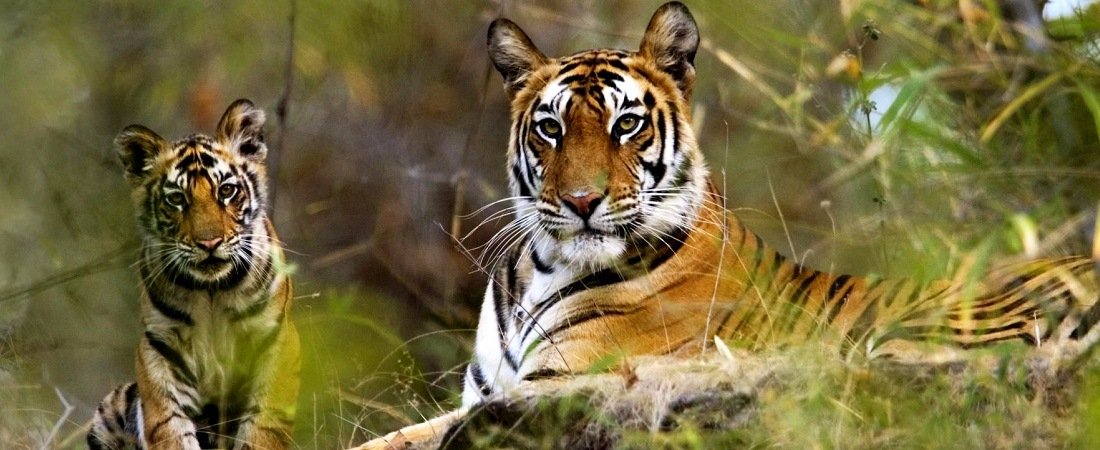
In the past few decades the government has taken serious steps to improve environmental management and has established over 350 parks, sanctuaries and reserves.The highlights of India’s fauna are its lions, tigers, leopards, panthers, elephants and rhinoceroses, but the country is also home to a rich variety of deer and antelope, wild buffaloes, massive Indian bisons, shaggy sloth bears, striped hyenas, wild pigs, jackals and Indian wild dogs. Monkeys include rhesus macaques, bonnet macaques and long-tailed common langurs. The reptilian world boasts magnificent king cobras, pythons, crocodiles, large freshwater tortoises and monitor lizards, while the diverse birdlife includes large hornbills, serpent eagles and fishing owls, as well as the elegant national bird, the peacock.
Average maximum winter temperatures range from the high 20 degree Celsius in the S to below freezing in parts of Kashmir, Leh and Ladakh, and the low 20 degree Celsius in the northern plains. The range of minimum winter temperatures between N and S is greater. In many parts of the N plains, especially in the NW, close to the foothills of the Himalayas, night temperatures fall close to freezing. In contrast, in the far S, minimum temperature never fall below 20 degree Celsius except in the hills.
In summer the N is generally hotter than the S, with daytime temperatures usually over 40 degree Celsius and in parts of the NW up to nearly 50 degree Celsius from time to time. Night time temperatures also remain high. The end of Apr – May is the hottest time. Once the clouds of the monsoon season arrives, the temperature fall a few degrees, but the air gets much more humid, often making it intensely uncomfortable. In the S maximum temperatures never reach those experienced in the N, rarely rising above 40 degree Celsius for more than a day or at a time. May is also generally the hottest month.
Rajasthan, known for its rich cultural heritage and diverse landscapes, offers a plethora of activities for visitors. Here are some popular activities you can enjoy in Rajasthan, and ask our Rajasthan Tour Operator to Plan a customized holiday to enjoy these activities:
India offers a tapestry of unique experiences that captivate the senses and leave an indelible mark on every traveler. From the pulsating energy of Bollywood dance classes to the timeless grandeur of forts and palaces, the country beckons with a myriad of adventures waiting to be discovered.
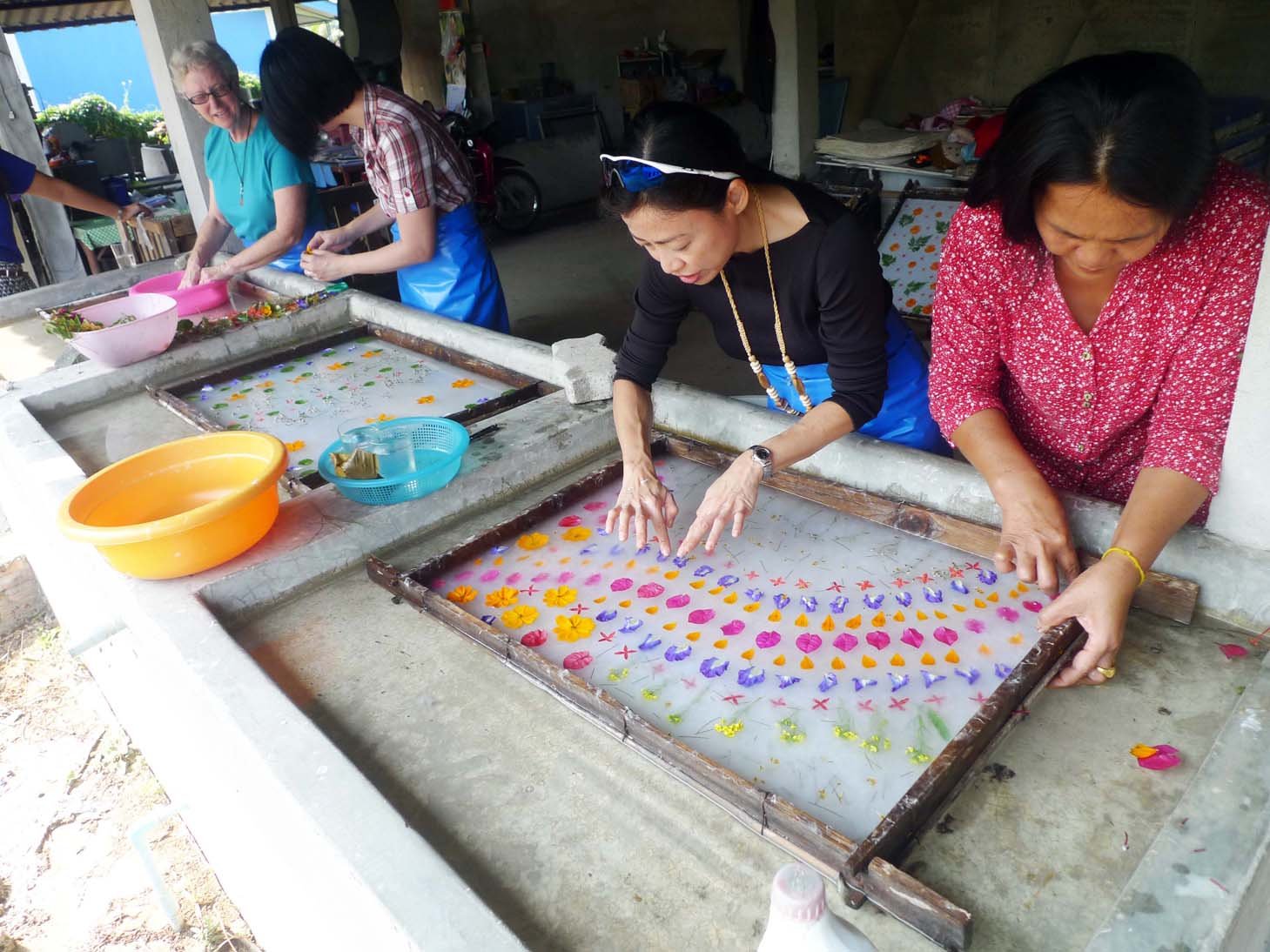
Embarking on a Bollywood dance class is a quintessential Indian experience that promises to immerse participants in the vibrant rhythm and exuberance of Indian cinema. From mastering iconic dance moves to understanding the cultural significance behind each step, these classes provide a glimpse into the glitz and glamour of Bollywood.
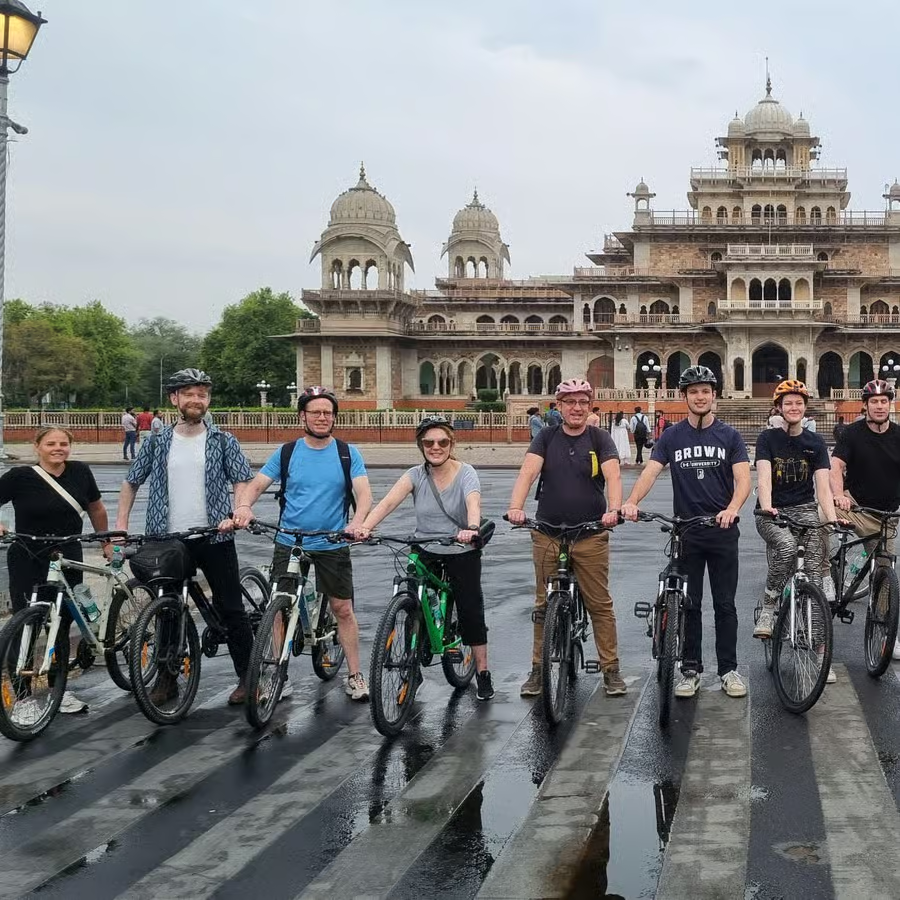
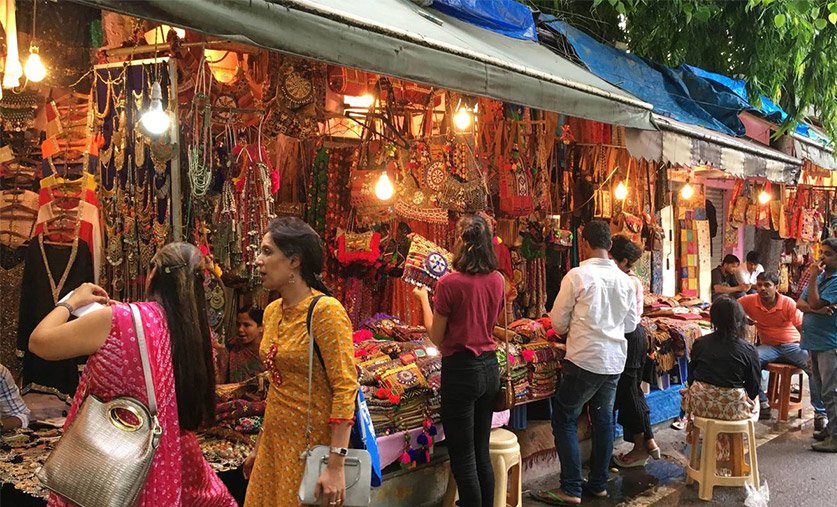
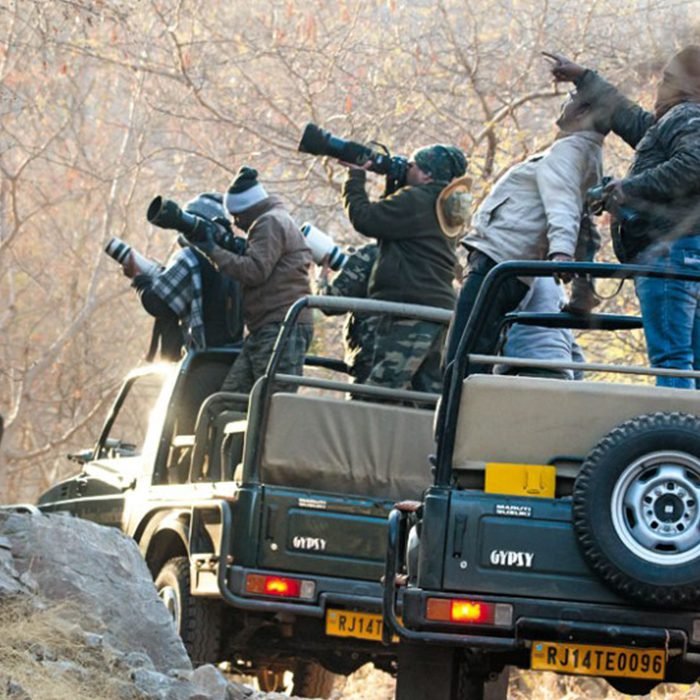
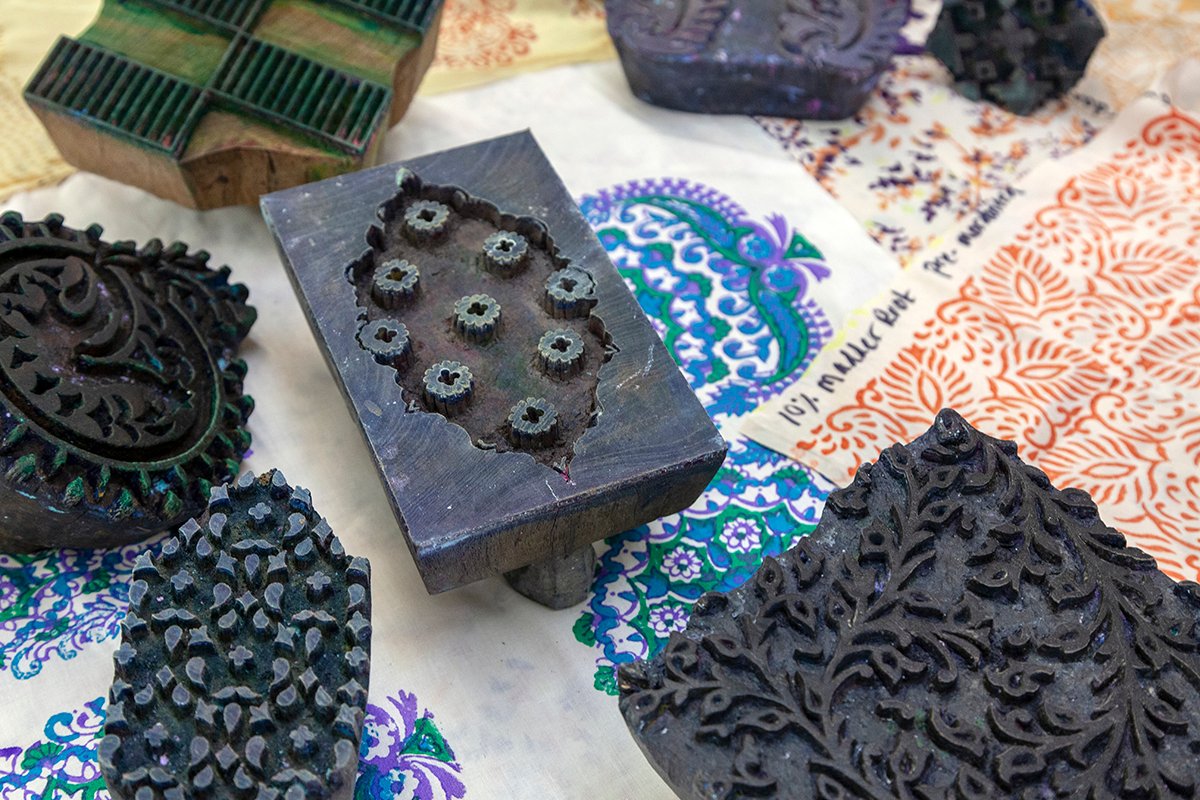
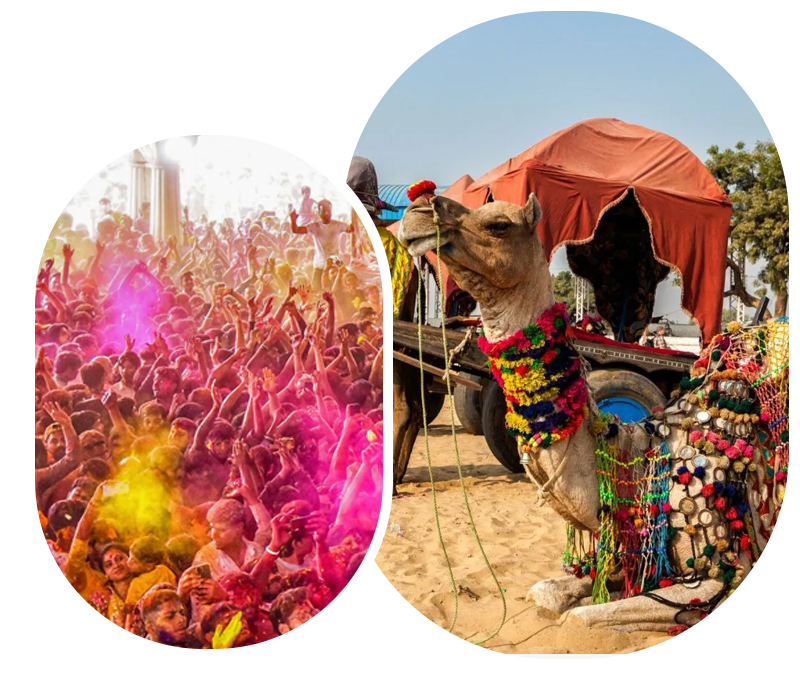
The festivals of India offer a kaleidoscope of colors, traditions, and celebrations, reflecting the nation’s rich cultural tapestry. From the exuberant revelry of Diwali, the festival of lights, to the vibrant hues of Holi, the festival of colors, each event holds deep cultural significance. Witness the grand processions of Ganesh Chaturthi in Mumbai, the spiritual fervor of Kumbh Mela, and the mesmerizing dances of Navratri. Whether it’s the solemnity of Eid-ul-Fitr or the joyous spirit of Christmas, India’s festivals unite people from diverse backgrounds, fostering harmony and spreading joy across the land.
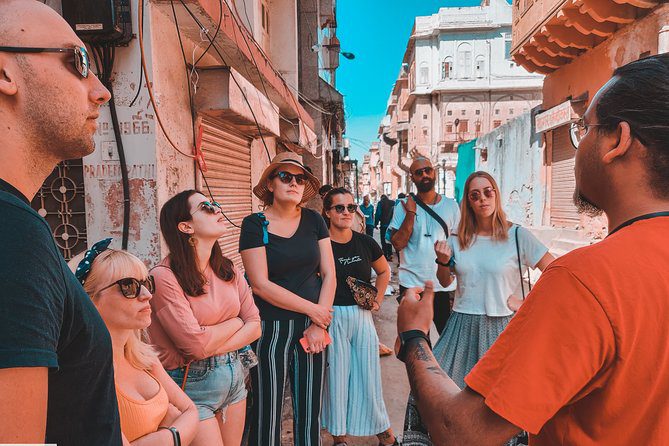
Complete itinerary assistance by expert tour planners, tour executives, multilingual guides, knowledgeable chauffeurs and front desk representatives.
We have absolute understanding of the needs and preferences of different holidaymakers. Personalized trips for foreign tourists are our specialty.
Our fleet of cars includes sedans, hatchbacks, SUVs, and luxury cars. Our online car hire in Jaipur services ensure a hassle-free experience.
Discuss your travel budget with our tour planners and obtain the decent quotes. Enjoy an excellent experience within your spending limits.
Enjoy an excellent holiday experience with Multi-language Guide. Our professional guides make your journey more easier and memorable…
We will serve you well maintained vehicles with professional driver and vehicle management system.Enjoy the excellence.
Real travelers. Real stories. Real opinions to help you make the right choice.
We spent a month in India traveling through Delhi, Agra and Rajasthan – the magnificent forts, the grand temples and the rich culture mesmerized us every day. Rajasthan Tourism Bureau did a great job in planning and managing the trip. Everything was organ
All amazing. We toured the Rajasthan area 15 days in August, and it was spectacular. The driver was spectacular, and so was the guide. They took us the hotels and they were all great. Plus the owner invited us to dinner at his house in Jaipur. Highly reco
We recently completed this tour and had a wonderful experience. From the moment we arrived, everything was well organised from airport pick up to hotel stay, places to visit and local experiences. The entire team was very professional, courteous and atten
We spent a month in India traveling through Delhi, Agra and Rajasthan – the magnificent forts, the grand temples and the rich culture mesmerized us every day. Rajasthan Tourism Bureau did a great job in planning and managing the trip. Everything was organ