Bikaner

5000+
Tour Packages
100%
Happy Customers
500+
Group Tours
1000+
Activities
10000+
Heritage Sites
50+
Cars & Drivers

Palces to visit in Bikaner

Junagarh Fort

Junagarh is an impregnable bastion that holds the distinction of having never been captured. It was constructed in 1588 AD by Raja Rai Singh, one of Emperor Akbar’s most distinguished generals. The fort complex houses some magnificent palaces constructed in red sandstone and marble and visitors can feast their eyes on an attractive assortment of courtyards, balconies, kiosks and windows.
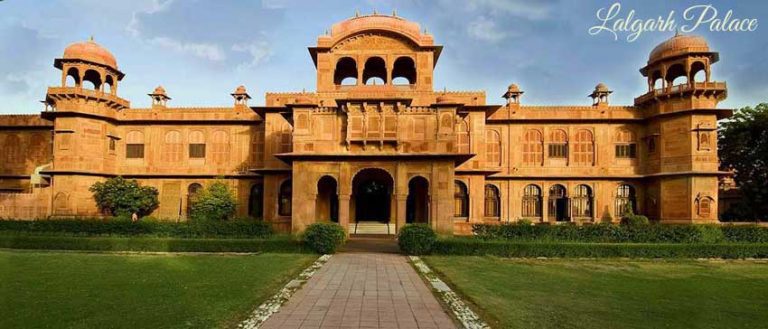
Lalgarh Palace and Museum

Maharaja Ganga Singh commissioned the construction of this majestic palace. This architectural marvel is made entirely of red sandstone and was built in 1902 to commemorate his father, Maharaja Lal Singh. The design was conceptualised by Sir Swinton Jacob, who created this oriental fantasy by blending Rajputana, Islamic and European architecture.

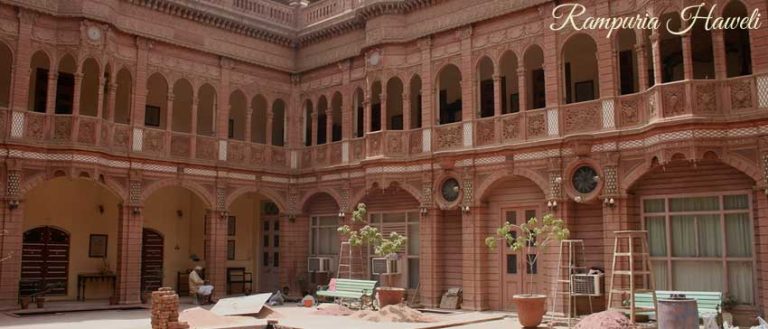
Rampuria Haveli

Bikaner has several havelis (aristocratic homes), the most famous cluster being the Rampuria Group of Havelis. Built of dulmera (red) stone, every aspect of the havelis – jharokhas (casements), entrances, latticed windows, divankhanas, gumaharias or basements – is simply exotic. Leaves and flowers decorate every jharokha, lending it a pleasant touch. These massive havelis are decorated with golden work of the highest quality. Their dankhanas (drawing room) take one back to the Mughal and Rajput era. One can notice an abundance of Victorian influence in their design as well. The wood carvings in Rampuria Havelies are extremely exquisite. Spaced close to each other, the havelis are truly a sight to behold.

Laxmi Niwas Palace

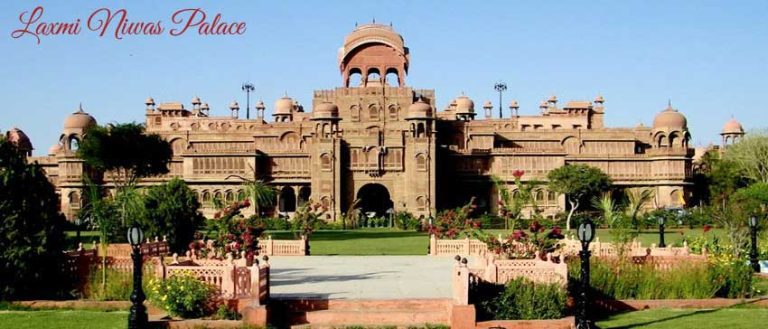
Laxmi Niwas Palace was the residence of the king of Bikaner, Maharaja Ganga Singh. Built between 1898 and 1902 by British architect Sir Samuel Swinton Jacob, this structure displays an Indo-Saracenic architectural style. It is now a luxury hotel.

Deshnok Karni Mata Temple

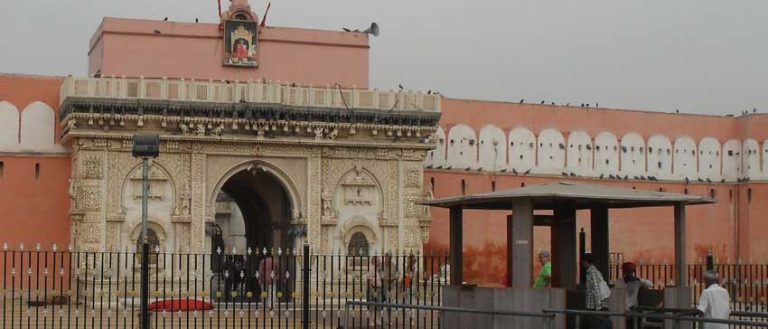
The Karni Mata Temple at Deshnok is a beautiful structure made of stone and marble, inside which resides an image of Karni Mata. The image is decorated with a ‘mukut’ (tiara) and garlands. The images of her sisters and the sisters of Avad Mata give her company on either side. The temple is known the world over for the presence of kabas (rats) that roam freely within the temple precincts.

Prachina Museum

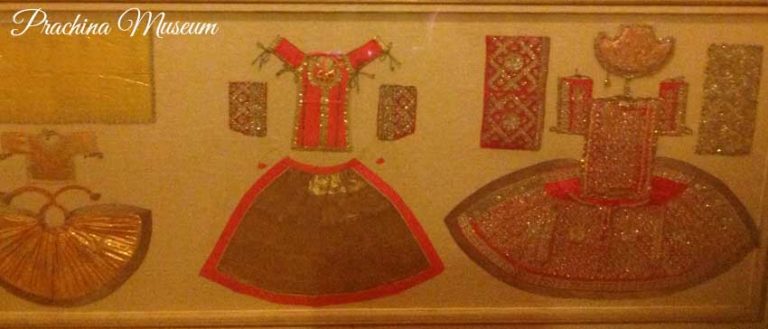
Located in the great Junagarh Fort, this museum hosts royal costumes, textiles and accessories of Rajasthani royalty. The ‘Poshaks’ (garments worn by ladies) are a reminder of the now lost craft of traditional designs, styles and workmanship. The family portraits on display narrate a story about how changing cultural settings influenced the style of immortalising the former rulers.

Gajner Palace and Lake

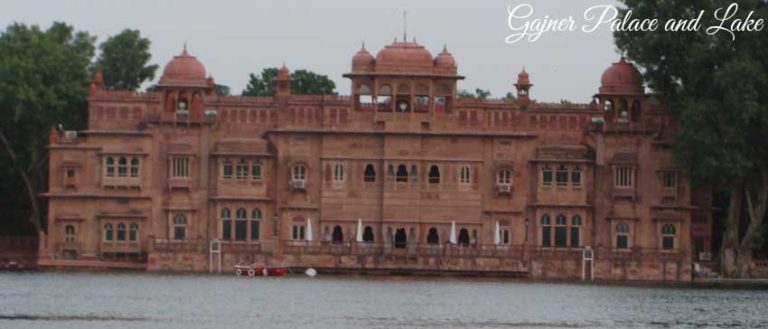
Gajner is an incomparable jewel of the Thar. The Gajner Palace was founded by Maharaja Gaj Singh ji of Bikaner in the year 1784, and then completed by the great Maharaja Ganga Singh of Bikaner on the banks of the lake. It was meant to serve as a hunting and relaxing lodge for the royal family as well as for visiting guests. It has now been converted into a hotel.

Devi Kund

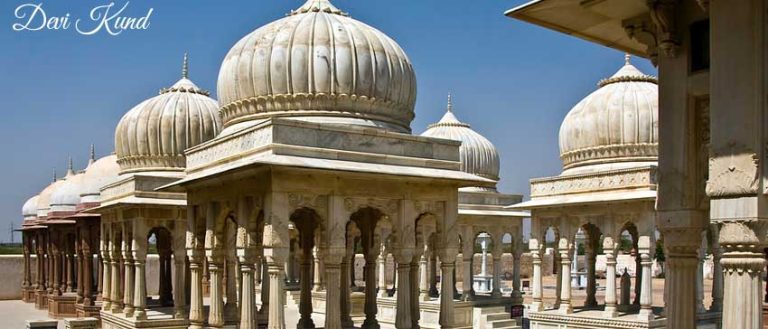
8 kilometres from Bikaner is the royal crematorium. It has several exquisite chhatris (cenotaphs), each dedicated to the memory of a ruler of the Bikaji dynasty and situated on the exact spot where each of them was cremated. The chhatri of Maharaj Surat Singh is a fine example of the architecture of that era. Devi Kund also has cenotaphs of 22 female members of the royal family prior to Maharaja Gaj Sigh Ji, who committed sati. There is also one cenotaph of a Sata (male sati) of a ruler. Maharaja Surat Singh’s Chhatri is built entirely in white marble with spectacular Rajput paintings on its ceiling.

Kolayat

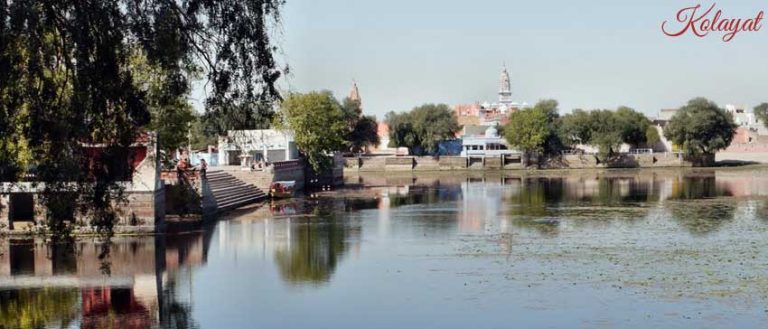
Kolayat is an important pilgrimage place for Hindus. Locals as well as devotees from distant places visit this temple complex every year. History tells the story of Kapil Muni, the advocate of Shankya yoga, who was so mesmerised by the serenity of this place that he interrupted his journey to the northwest and stopped here to carry out a ‘tapasya’ (penance) for the redemption of the world. The main attractions of the town are its several temples, ghats, the sacred lake and the town market. Kolayat is about 50 kilometres from Bikaner.

Katariasar Village

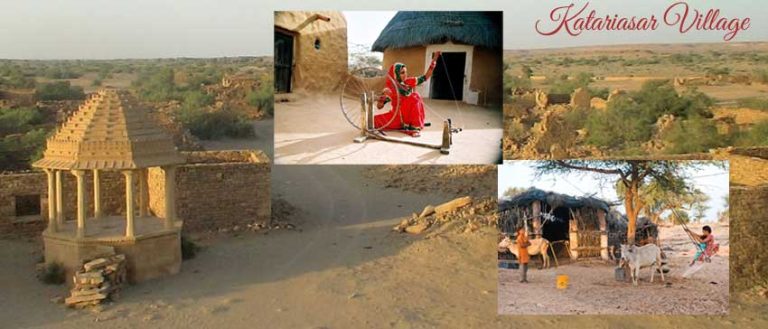
45 kilometres from Bikaner on the Jaipur Road is a village rich in ethnic, rural and cultural life. In Katariasar, one can walk on sand dunes and view the sunset against the desert landscape. The main attraction of this village is its inhabitants, the Jasnathjis, who are fire dancers. Herds of chinkaras, desert foxes, rabbits, peacocks, parrots and partridges can be spotted here.